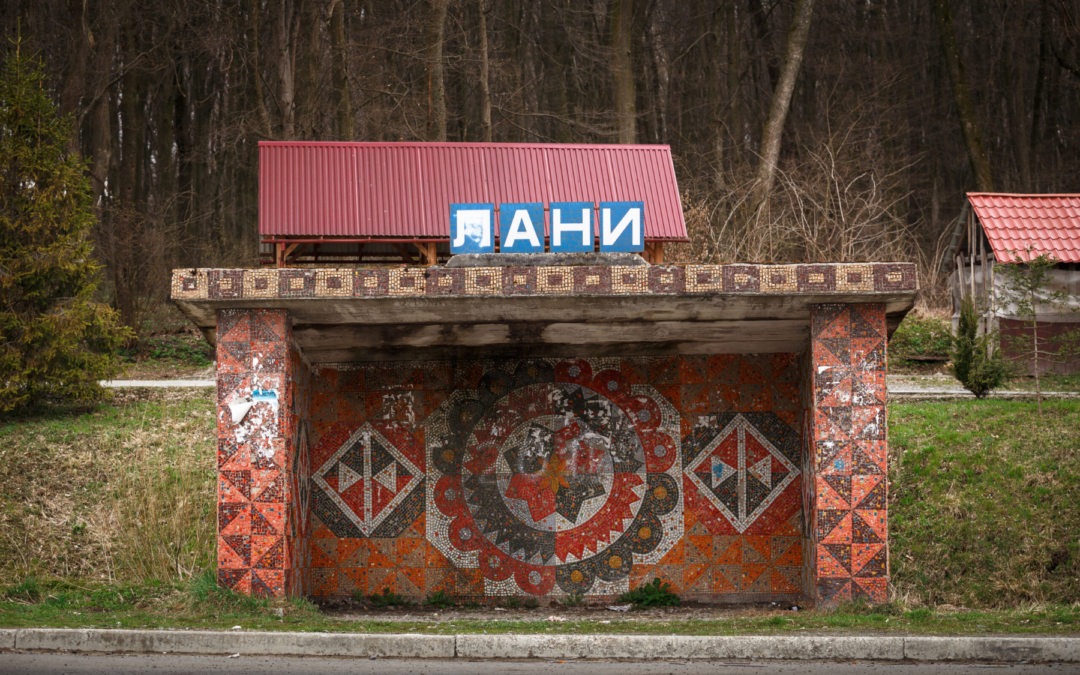
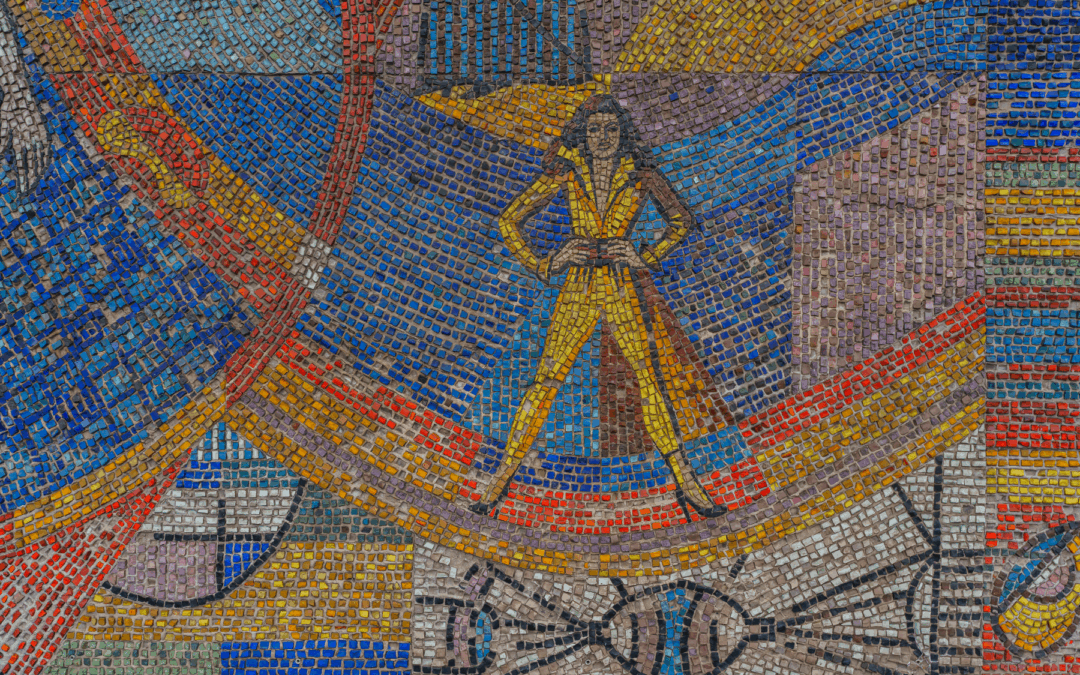
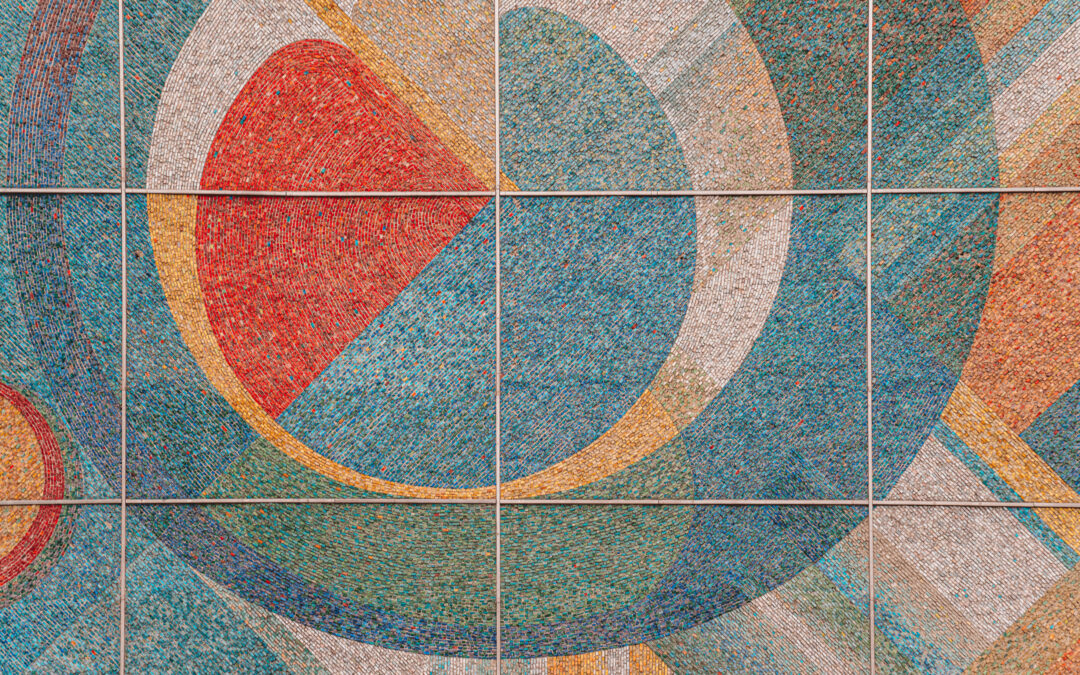
Color is one of the first things people notice in mosaic art. In Slavic mosaics, color was never chosen at random. Each shade played a role in shaping mood, meaning, and memory. Long before viewers studied technique or history, they understood mosaics through color....
Slavic folklore has always been a rich source of symbolism, and mosaic artists embraced these stories to add depth and cultural meaning to public spaces. Instead of literal depictions of mythic characters, many mosaics interpret folklore through symbols—sun shapes,...
Smalt is one of the defining materials of Slavic mosaic art. Its deep, luminous colors and remarkable durability helped shape the public art landscape of Eastern Europe throughout the 20th century. For anyone exploring historic mosaics, recognizing smalt is like...
Historic mosaics often hide in plain sight. They live on the walls of transit stations, educational buildings, community centers, and open-air plazas across Eastern Europe and the broader Slavic world. Many travelers walk past them without realizing the remarkable...