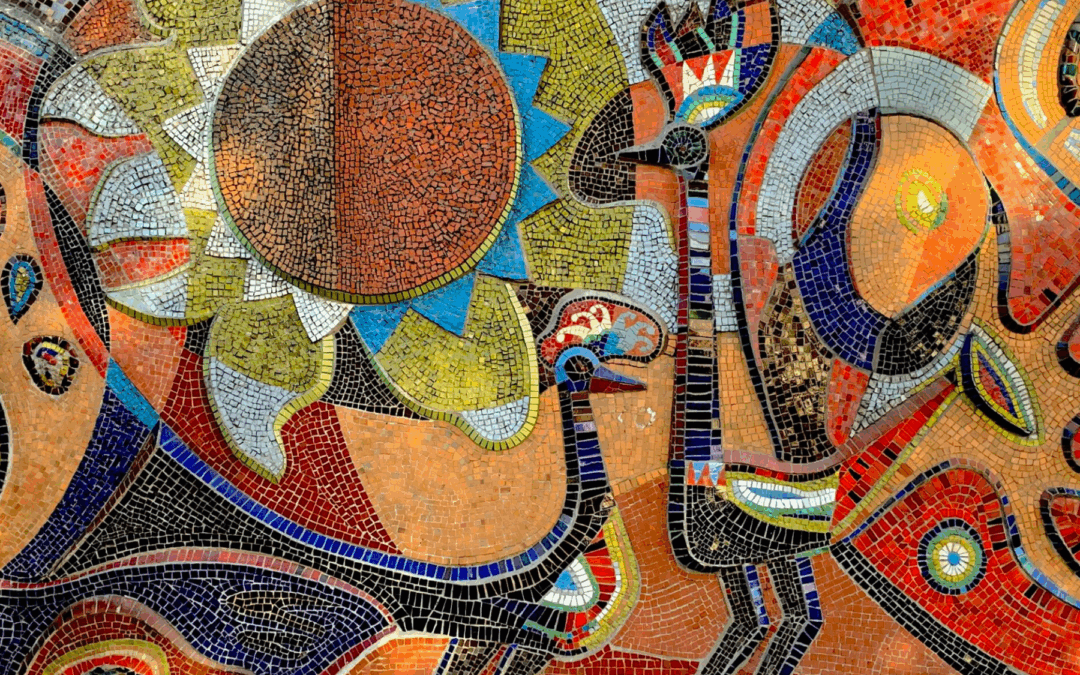
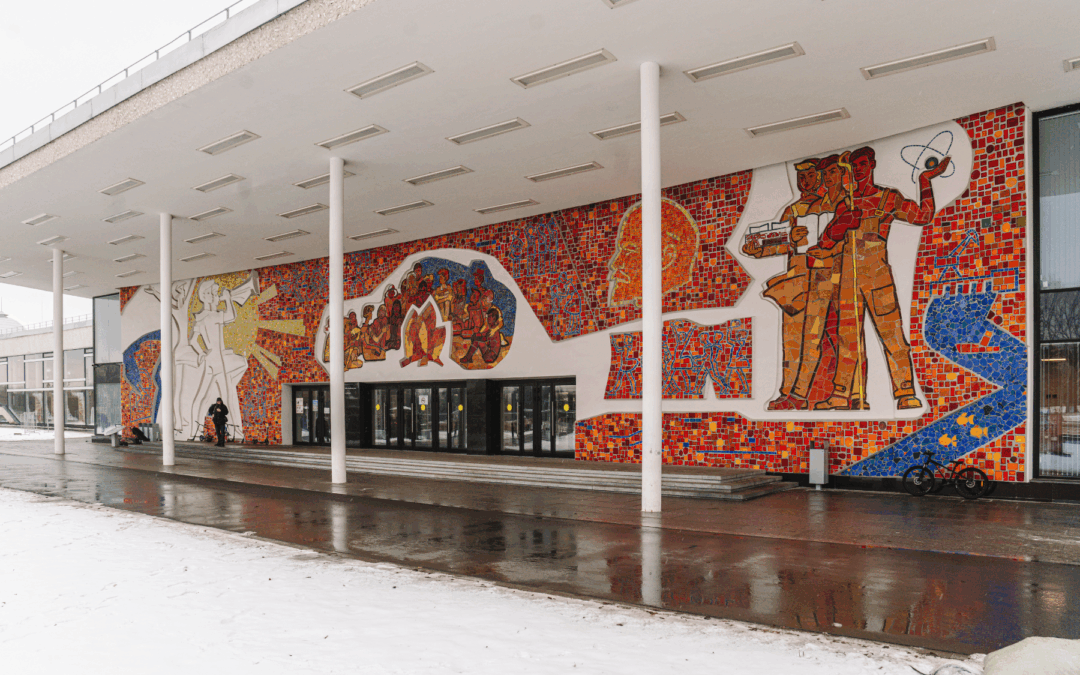
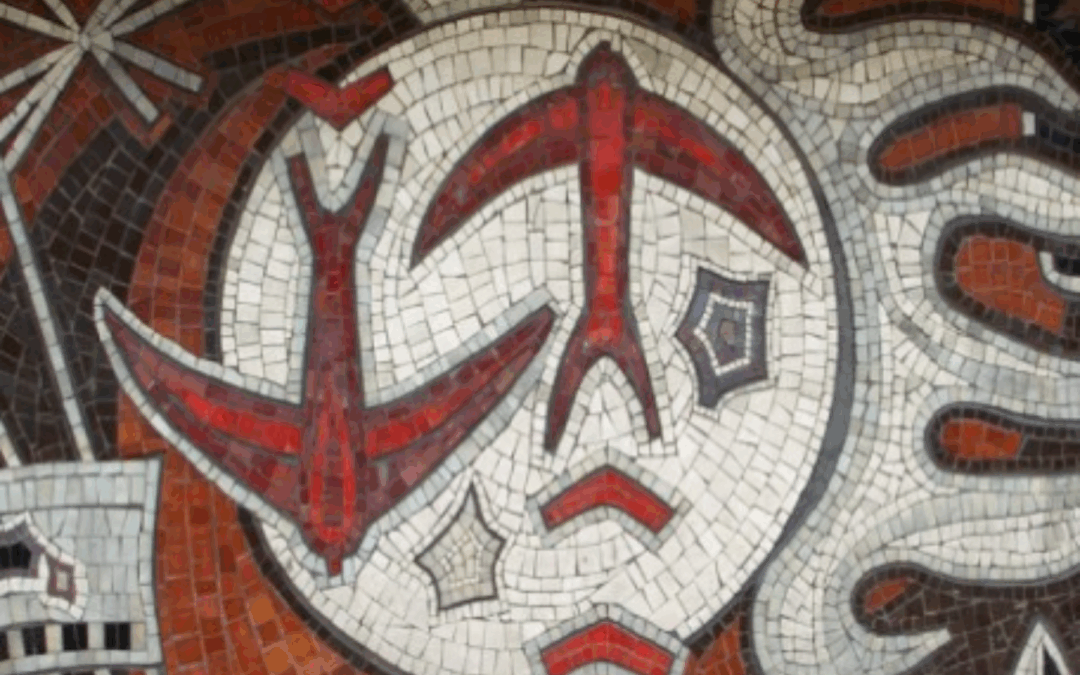
Symbolism runs deep through the mosaic traditions of Slavic regions. Whether decorating civic buildings, cultural centers, or public gathering places, these artworks often weave together natural motifs, folkloric imagery, and scenes from daily life. The result is a...
Across the Slavic world, mosaic traditions are experiencing a quiet revival. Community workshops, cultural centers, and small nonprofits are bringing people together to learn techniques that once shaped public squares, schools, and architectural landmarks. This...
Throughout the 20th century, mosaic artists across the Slavic world transformed simple materials—glass, ceramic, stone—into remarkable public artworks. These mosaics were not luxury pieces designed for elite display. They were crafted for streets, schools, industrial...
Across Eastern Europe, entire stories shimmer quietly on building façades, metro walls, libraries, and former industrial centers. These mosaics often sit outside major tourist routes, overlooked by travelers focused on well-known monuments. Yet many represent some of...
Historic mosaics often hide in plain sight. They live on the walls of transit stations, educational buildings, community centers, and open-air plazas across Eastern Europe and the broader Slavic world. Many travelers walk past them without realizing the remarkable...