
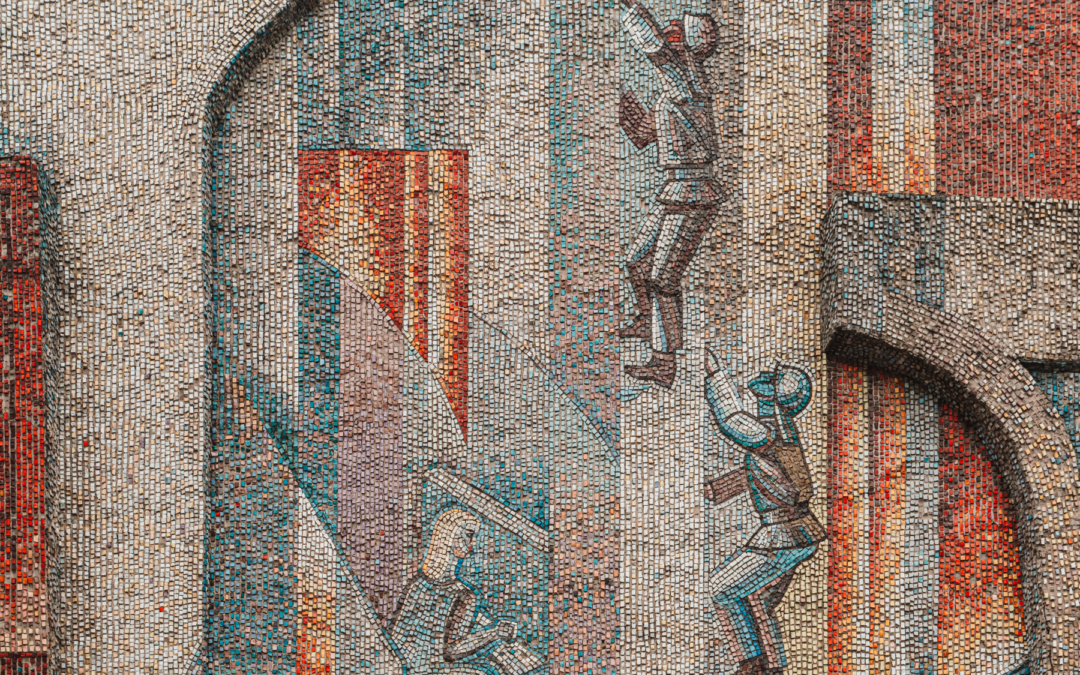
Slavic mosaic art is often admired for its beauty and durability, but behind every finished mosaic is a practical reality. Materials cost money. Labor takes time. Space, tools, and planning all require support. Understanding Slavic mosaic production means looking closely at the economic systems that made these works possible.
Mosaic production in Slavic regions was rarely an individual effort. Large projects depended on organized mosaic workshops. These workshops brought together designers, technicians, and installers. Each role contributed to the final result. This structure helped manage time, cost, and quality.
Materials were one of the largest expenses in Slavic mosaic production. Glass, stone, ceramic, and binding materials had to be sourced, transported, and prepared. Regions with local material access could reduce costs, while others relied on trade networks. These differences influenced surface texture and color availability.
Labor was another major factor. Mosaic work is slow and detailed. Cutting, sorting, and placing tesserae requires patience and skill. Mosaic workshops balanced efficiency with craftsmanship. Tasks were divided so that production could continue steadily without sacrificing quality.
Public art funding played a central role in sustaining mosaic production. Many mosaics were created for schools, cultural centers, transit buildings, and residential complexes. These projects were funded by institutions rather than private patrons. As a result, mosaics became accessible to the public rather than confined to private spaces.
Budgets influenced design decisions. Larger budgets allowed for complex surfaces and richer materials. Smaller budgets required simpler compositions and limited palettes. Skilled artists learned to adapt, using strong design rather than expensive materials to achieve impact.
Mosaic workshops also had to consider long-term durability. Public mosaics were expected to last decades. Investing in quality materials and proper installation reduced future repair costs. This practical thinking shaped how Slavic mosaic production balanced artistry and function.
Economic conditions changed over time. Periods of growth supported large public projects. Periods of scarcity reduced production or shifted focus toward smaller works. Yet mosaic workshops often survived by adapting methods and scale.
Public art funding also affected where mosaics appeared. High-traffic areas were prioritized. Visibility justified investment. Mosaics placed in entrances, halls, and exterior walls reached wide audiences, reinforcing their cultural value.
When funding declined, some mosaic workshops closed or merged. Others shifted toward restoration or teaching. These changes preserved knowledge even when new production slowed. Skills continued to pass between generations.
Today, understanding the economics of Slavic mosaic production helps guide preservation efforts. Restoration projects must account for original materials, labor methods, and funding limitations. Economic history informs responsible conservation.
For Slavic Art Alliance, examining mosaic production highlights the importance of sustainable support. Preserving mosaics requires not only artistic appreciation, but practical planning and resources.
Slavic mosaic production shows that public art depends on systems as much as creativity. Behind each mosaic is a network of materials, labor, and funding working together. Recognizing this reality deepens respect for both the artwork and the people who made it possible.