
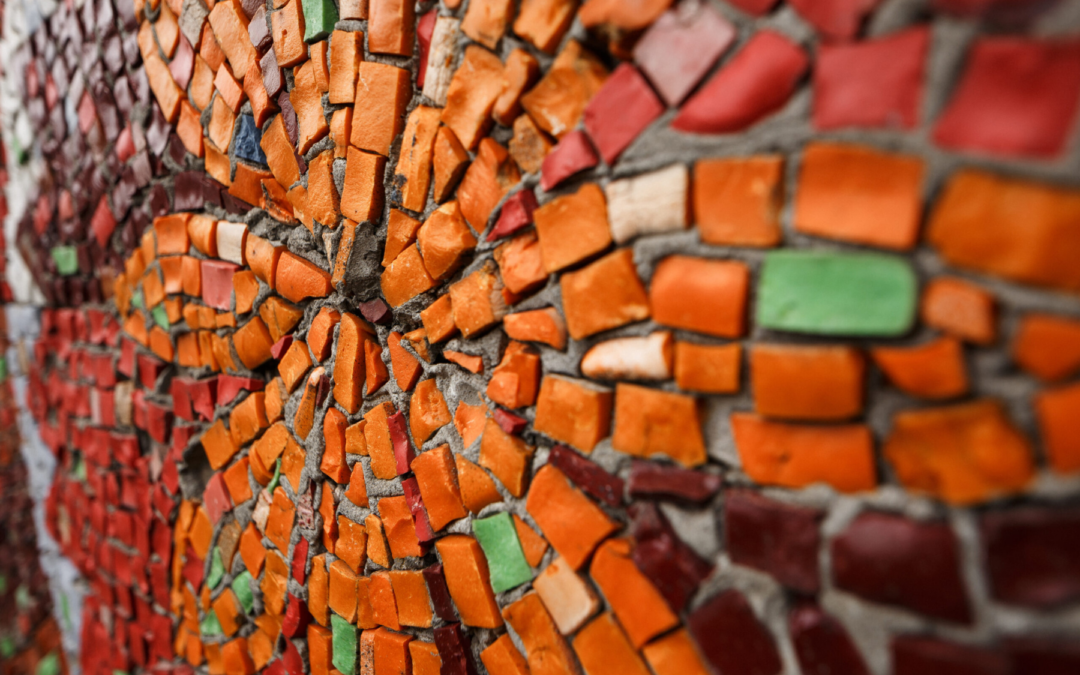
Across many Slavic cities and towns, mosaics have a hidden history. Some of the most striking works were not destroyed or removed. Instead, they were quietly covered. Layers of paint, plaster, or new walls concealed them for decades. Today, many of these mosaics are being rediscovered, offering a rare second life to public art.
Most hidden mosaics disappeared during periods of renovation. Buildings were modernized, interiors simplified, and decorative elements removed from view. In many cases, mosaics were not intentionally erased. Covering them was faster and less expensive than removing them. As a result, entire artworks remained intact behind walls.
Rediscovery often happens by accident. During construction or repair work, fragments of glass or ceramic appear beneath old layers. Workers pause. Specialists are called in. Slowly, patterns and colors begin to emerge. What was once forgotten becomes visible again.
One reason rediscovered mosaics are often well preserved is lack of exposure. Covered surfaces were protected from sunlight, pollution, and temperature changes. Colors that might have faded remained vibrant. This surprises many people when a mosaic is first uncovered.
However, rediscovery does not mean the artwork is undamaged. Moisture, structural movement, and aging adhesives can weaken the surface. Tesserae may loosen or fall away. Restoration work focuses on stabilization rather than perfection. The goal is to preserve what remains, not to remake what was lost.
Restoration requires patience and respect. Conservators document every stage. Materials are matched carefully. Any additions are minimal and clearly distinguishable from the original work. This approach protects both the artwork and its history.
Beyond technical concerns, rediscovered mosaics change how people see familiar spaces. A school hallway, community center, or residential building gains new meaning. The artwork reconnects the space to an earlier period of shared cultural expression.
Communities often respond strongly to rediscovery. Residents recognize images they have not seen in years, or learn that art existed there at all. These moments spark conversation, memory, and renewed interest in local heritage.
Documentation is just as important as physical restoration. Photographs, written records, and public storytelling ensure that rediscovered mosaics remain part of cultural memory. Even if future changes occur, the artwork’s presence is recorded and shared.
Hidden mosaics also raise important preservation questions. How many works remain unseen? What responsibility do communities have once art is rediscovered? These questions encourage proactive documentation and protection of existing public art.
For organizations like Slavic Art Alliance, rediscovered mosaics highlight why awareness matters. Many important works are still hidden, waiting to be noticed. Education helps people recognize the value of what surrounds them.
Rediscovery reminds us that cultural heritage is layered. Art does not always disappear when it leaves view. Sometimes it waits. When uncovered, these mosaics reconnect the present with the past in a quiet but powerful way.
Preserving rediscovered mosaics means preserving stories, craftsmanship, and shared experience. Each uncovered panel adds depth to our understanding of Slavic visual culture. It shows how art endures, even when unseen.