Essay · November 19, 2026 · 3 min read
Questions to Ask Someone Who Remembers a Local Mosaic
By Slavic Art Alliance ·
Someone who remembers a mosaic may know details absent from official records: how the building was used, when a panel first became familiar, or what neighbours called it. A good conversation preserves that knowledge without turning memory into a certainty it cannot support.
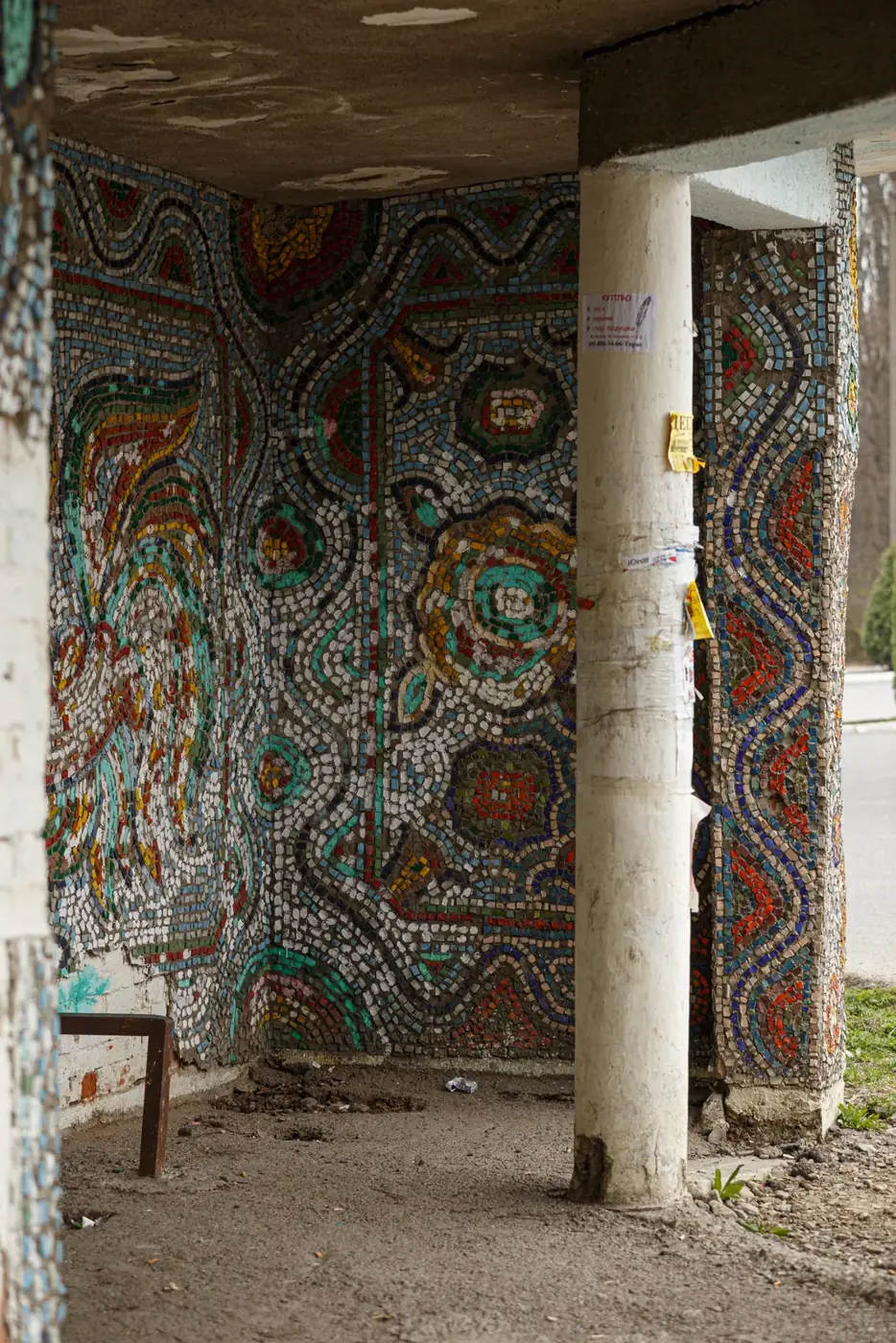
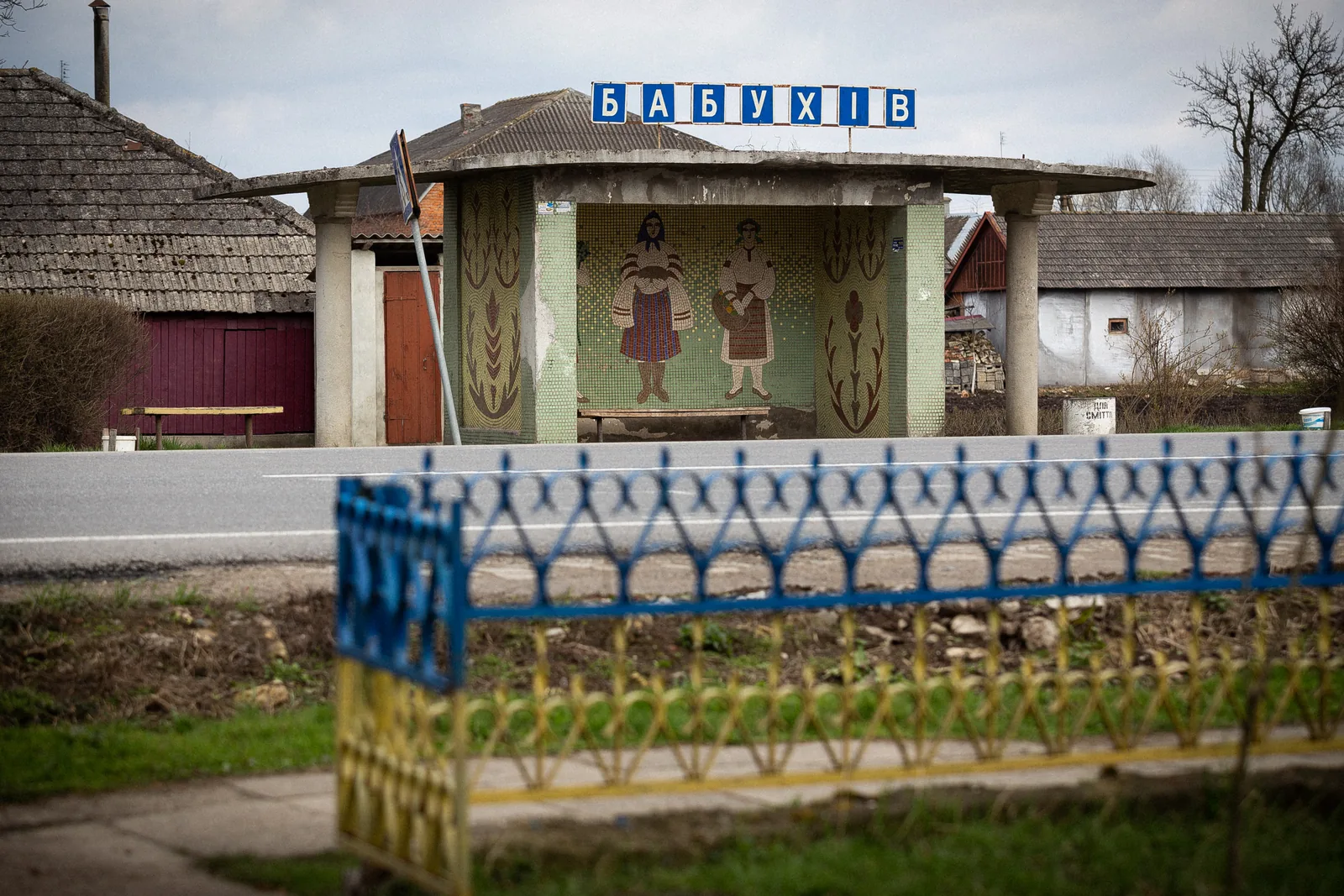
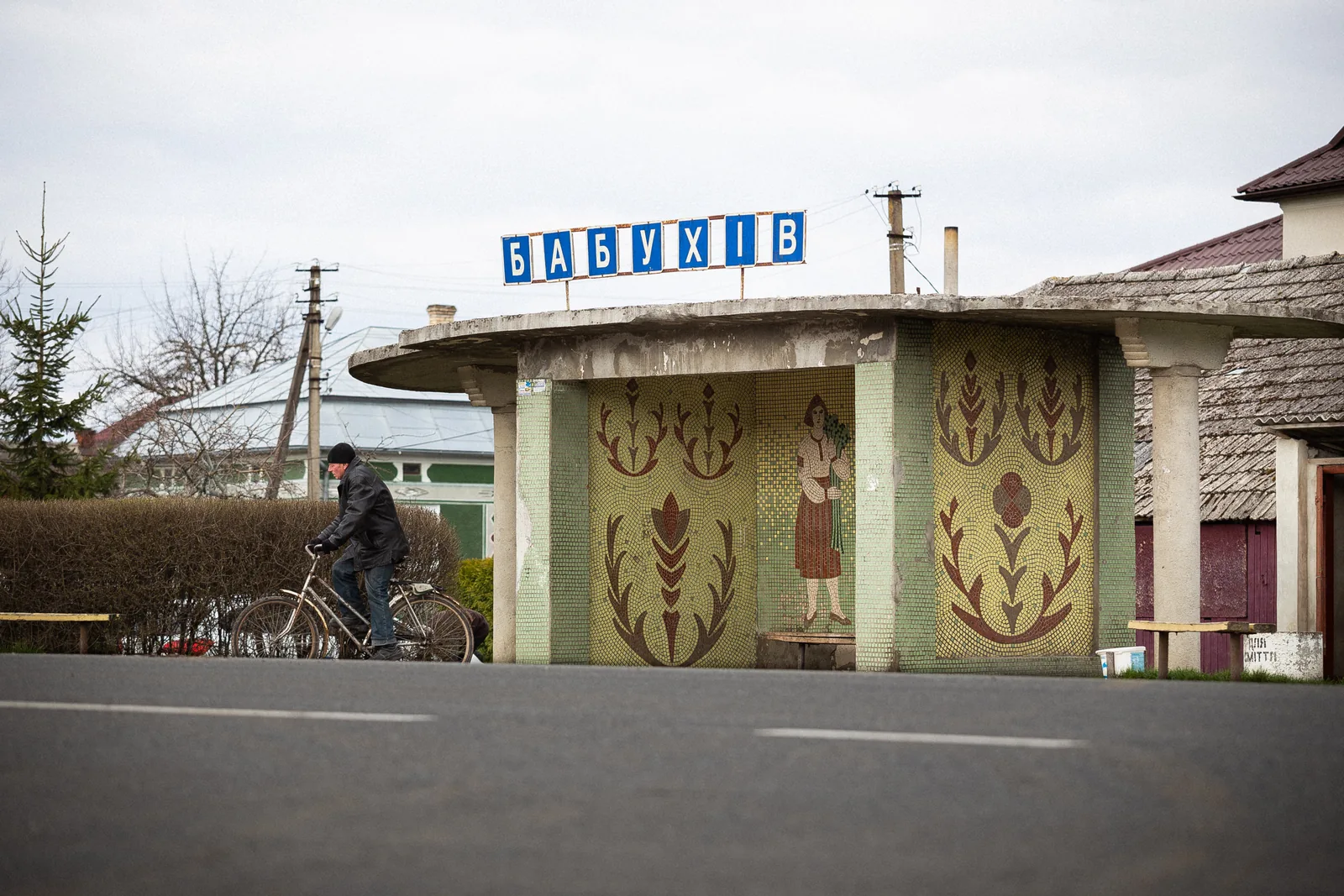
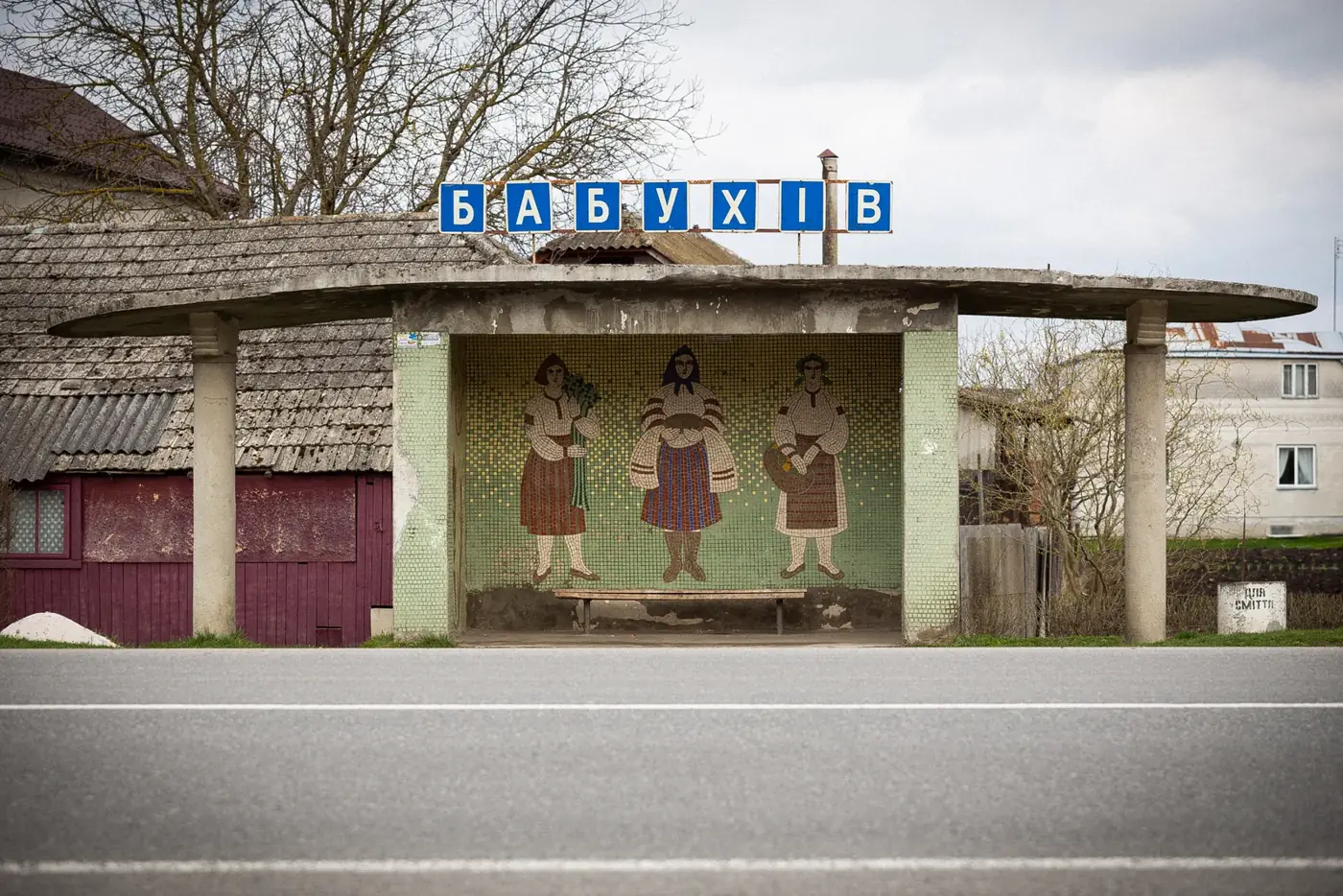
The featured Babukhiv shelter is a visual prompt, not evidence that anyone photographed or depicted there has given an interview. The following questions are a proposed method for future conversations, not a report of testimony already collected.
Explain the purpose before recording
Say who you are, why you are asking and what you hope to do with the material. Ask whether the person agrees to recording and whether their name may be used. Discuss any restrictions before publication, not after a story is online.
The Oral History Association’s best practices emphasise informed consent and, when possible, an opportunity for narrators to review material before public release. Apply that principle to a small local interview as carefully as to a large project.
Begin with experience, not your theory
Ask: “When do you first remember seeing this artwork?” Follow with: “What brought you to this place?” These questions let the person establish their relationship to the site.
Avoid opening with “Was this made by a famous artist?” or “Did everyone love it?” Such wording supplies an answer or assumes a shared reaction. A more useful prompt is “What do you remember people saying about it?”
Clarify how a detail is known
If someone names an artist, ask how they learned the name. Did they meet the person, see a plaque, read a publication or hear the story from someone else? Record the distinction without treating second-hand memory as worthless.
Ask whether photographs, letters, programmes or newspaper cuttings survive. A remembered event may help locate a document, and a document may prompt another memory. Keep both sources connected without making them identical.
Use images carefully
Show a wide photograph before a detail so the person can recognise the setting. Ask whether the image matches the place they remember. Do not assume that a familiar-looking wall is the same one.
If they describe a change, ask what helps them date it. A school year, job or family event may provide an approximate time anchor. Preserve the uncertainty rather than converting “around then” into an exact year.
Close with control and clarity
Ask whether anything should remain private and whether the person wants to add or correct a point. Explain the next step and how they can contact you. Keep the original recording and a note of agreed uses in a secure, organised place.
When writing, attribute recollections as recollections. A sentence such as “The narrator remembers…” accurately identifies the kind of evidence. It need not diminish the value of the experience.
If you want to contribute a local memory to the Alliance, contact the organisation before sending sensitive personal material. A respectful record preserves both the artwork’s social history and the narrator’s choices about sharing it.
Explore further
Help us document the next mosaic.
Every gift funds photography, research and preservation advocacy.
Donate