Essay · November 19, 2026 · 3 min read
Who Made an Unsigned Mosaic? A Practical Attribution Research Path
By Slavic Art Alliance ·
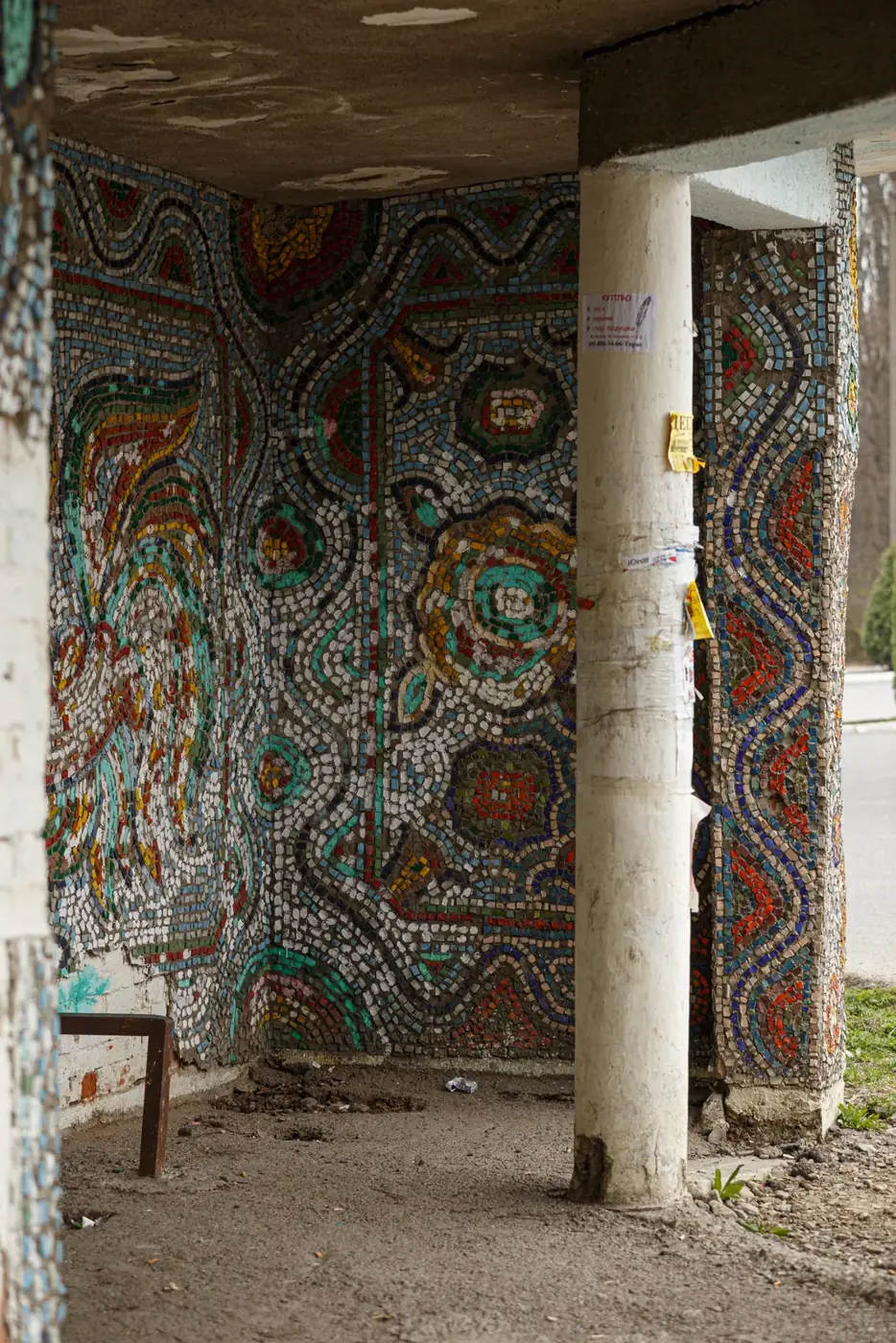
An unsigned mosaic can be visually distinctive and still resist attribution. The aim of research is not to attach a plausible famous name. It is to build a chain of evidence that another person can follow.
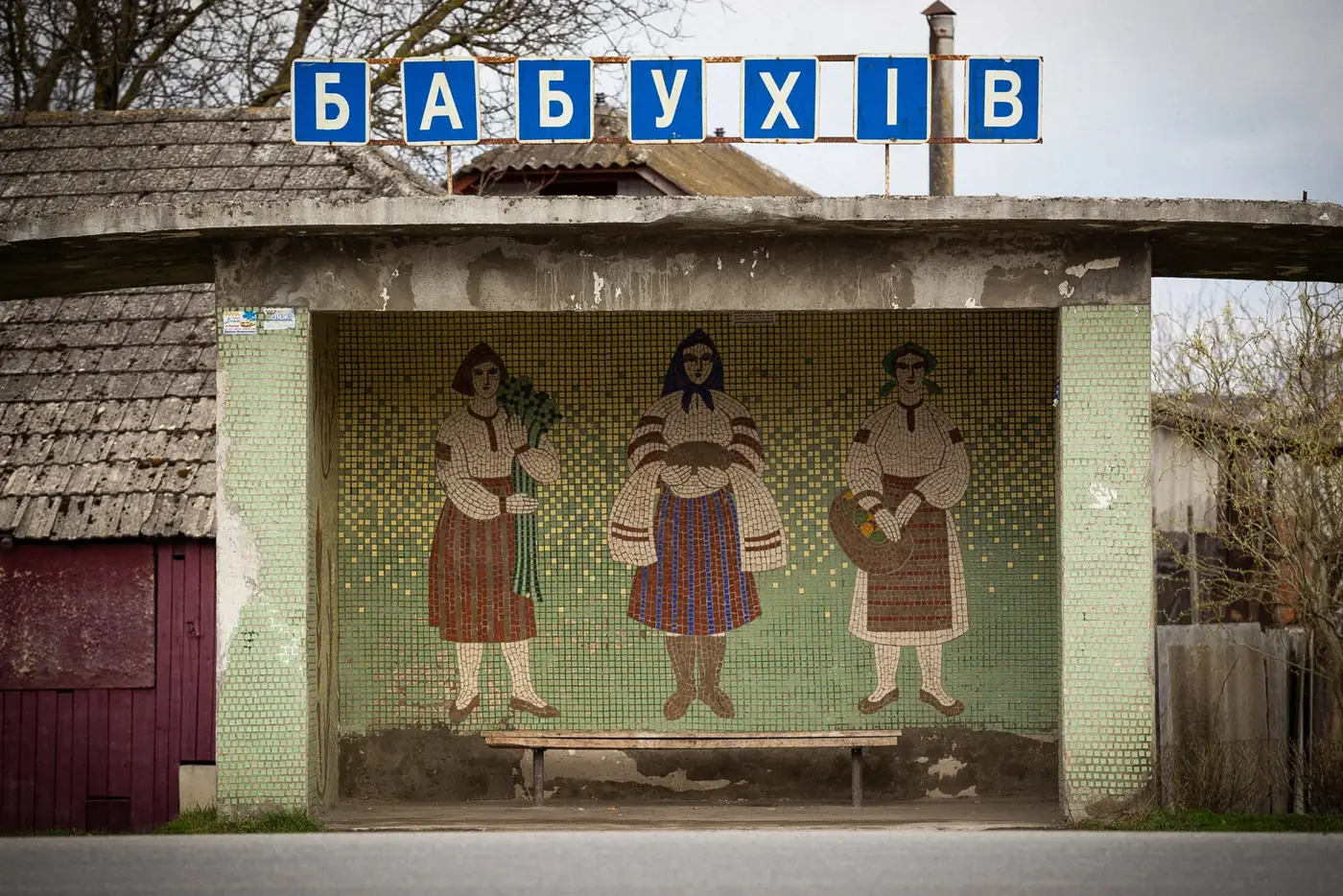
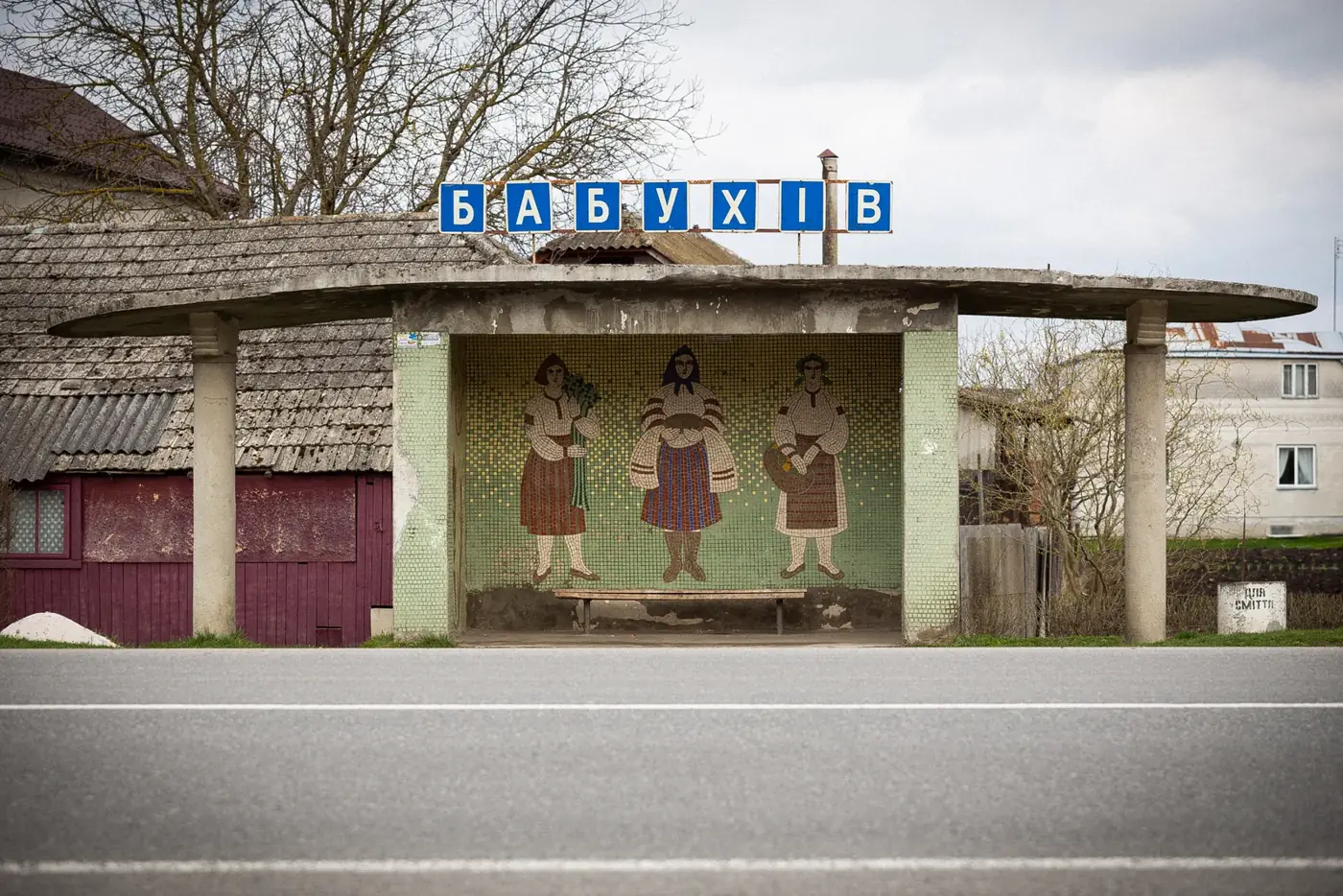
The featured Cheremkhiv view shows a decorated wall partly obscured by a column. The source packet does not establish the maker. Similarity to another work might generate a question, but it would not answer it.
Establish the work before searching for the artist
Record the exact location, distinguishing features and known history of the building. Confirm that different photographs show the same artwork. A relocated panel or a similarly named building can otherwise send research in the wrong direction.
List the current attribution exactly as it appears in each source, including “unknown,” initials or qualifiers. Keep links and consultation dates. This exposes whether multiple websites are merely repeating one unsourced caption.
Search outward from the commission
Look for building records, opening publications, institutional archives, exhibition catalogues and artist papers. A record that connects a named person to this specific project is stronger than a broad statement that the person worked in the city.
Artist archives can be especially useful when they identify a matching design. The ARVM archive, for example, demonstrates how project-specific sketch descriptions can supply a traceable research route. It is not evidence for an attribution outside those documented projects.
Investigate inscriptions carefully
A signature or date may be valuable, but transcribe it before expanding or interpreting it. Preserve the image and its position on the work. An unclear initial should not be silently resolved in favour of the name you hope to find.
Distinguish designer, mosaic fabricator, workshop and installer when a source does. A collaborative commission may not fit a single-name answer. Do not collapse documented roles merely to simplify a caption.
Use recollections as attributed evidence
A resident’s memory can lead to documents or people otherwise difficult to locate. Record who supplied the recollection, when it was given, and whether they witnessed the event or heard about it later. Obtain permission before publishing personal testimony.
A recollection and a contract may support different parts of the story. Neither should be altered to make them agree. Preserve discrepancies for further investigation.
Decide what the evidence supports
Use a clear ladder: unknown, possible association, attributed by a named source, and documented attribution. Explain the basis rather than relying on the label alone.
If you find only stylistic resemblance, retain “unknown” in the main record and describe the resemblance as a lead. A cautious record can become more precise later; an unsupported attribution can be difficult to undo once copied.
Send the Alliance the relevant source, passage and image comparison when proposing an attribution. The most helpful contribution is not just a name but an explanation of why that name belongs to that particular work.
Explore further
Help us document the next mosaic.
Every gift funds photography, research and preservation advocacy.
Donate