Essay · November 19, 2026 · 3 min read
Ada Rybachuk’s Mosaic Sketches: How to Read an Artist Archive
By Slavic Art Alliance ·
An artist archive can reveal decisions that a finished mosaic does not explain on its own. It may preserve a design, an alternative composition or a record of collaboration. Reading those materials carefully requires attention to what kind of object each record describes.
The UU Archive’s ARVM collection includes 1960 sketch records for the Kyiv Central Bus Station associated with Ada Rybachuk and coauthor V. Melnichenko. That specific documentary trail offers a stronger research starting point than a general claim about women working anonymously in mosaic workshops.
A sketch is evidence of a design stage
A drawing can show the organisation of figures, objects and colour areas. It may also contain annotations or an institutional title. But it does not automatically prove that every element was executed exactly as drawn.
Before comparing it with a wall, establish whether the record calls it a sketch, study, cartoon, proposal or completed work. Preserve that wording. If the archive supplies a date, distinguish the date of the drawing from the date of installation.
Keep coauthorship visible
A record naming a collaborator should not be shortened to a single artist for convenience. Read the attribution field and any accompanying note together. If different records use different transliterations, retain a connection between the spellings rather than creating apparently separate people.
The useful question is not simply “who made it?” but “which contribution does this record identify?” A design credit, workshop role and installation credit may refer to different activities. Do not supply missing roles from assumptions about how a collective worked.
Compare only matched works
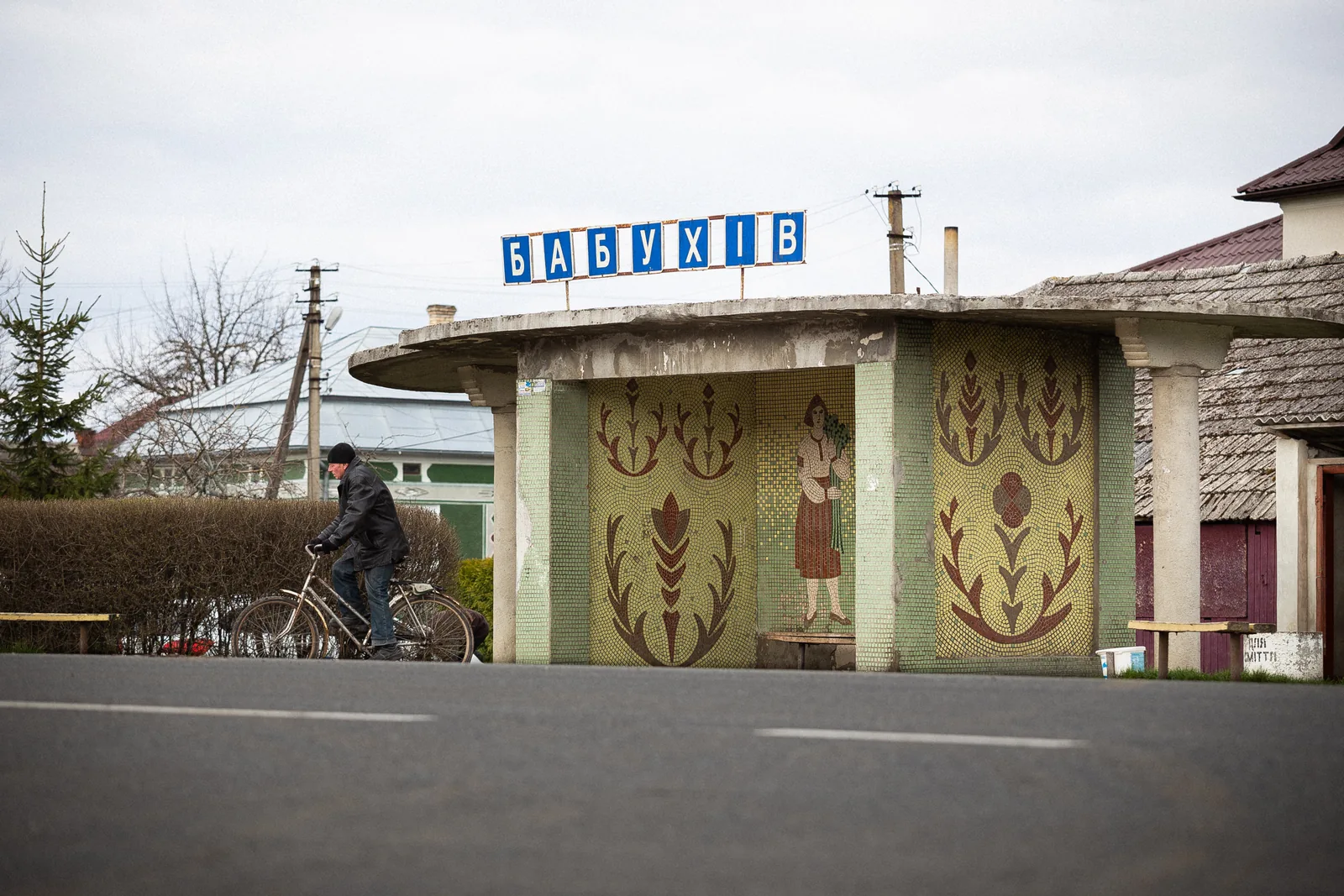
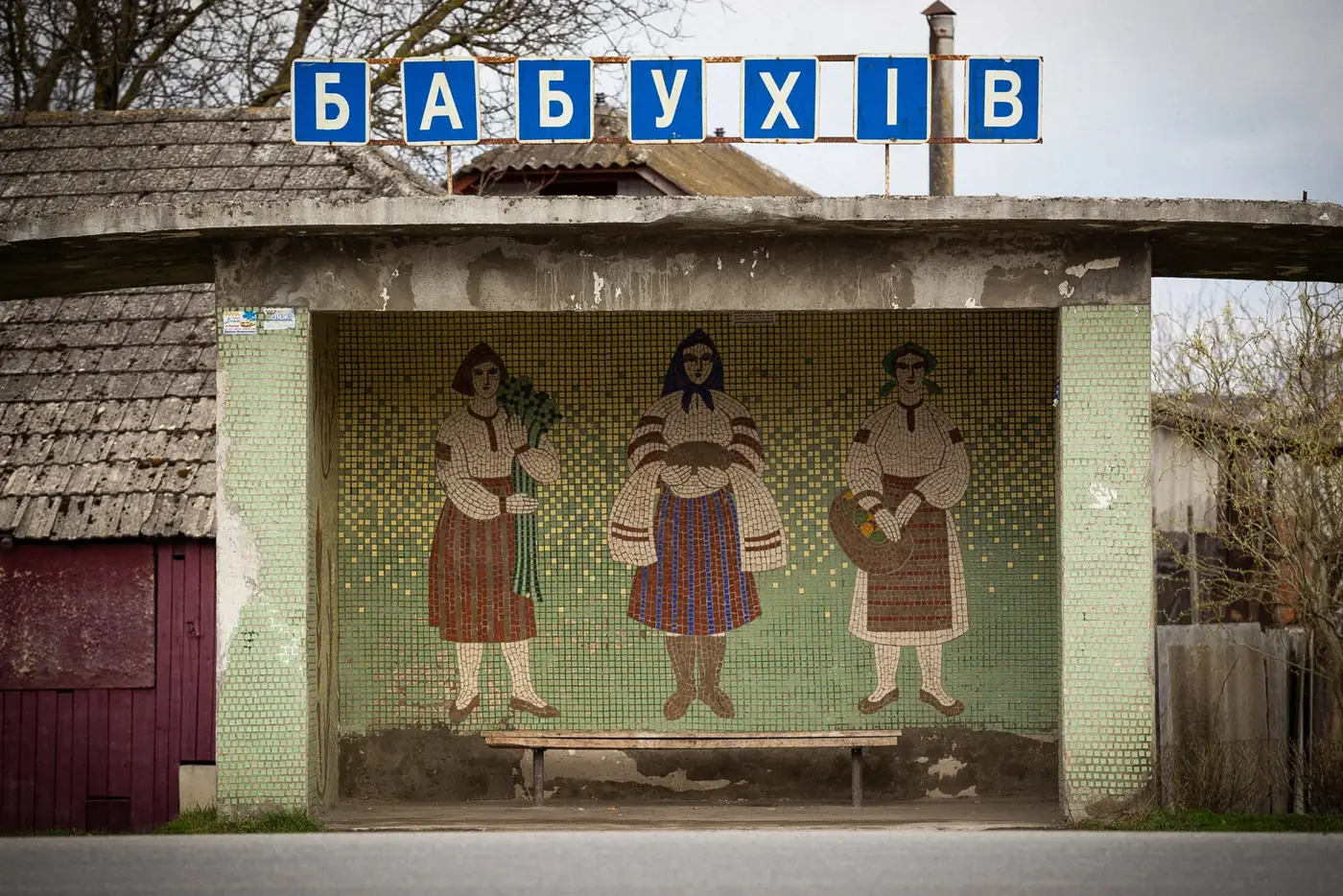
The featured photograph is a Babukhiv shelter from the Alliance’s Ukrainian collection. It is not a Rybachuk attribution and is not presented as a completed version of an ARVM sketch. Its purpose is to demonstrate why a figurative resemblance is insufficient to connect an unsigned wall to a named artist.
To make a real sketch-to-mosaic comparison, match the documented project, location and composition. Then identify similarities and differences. If the relationship remains uncertain, call it a research lead.
Build a traceable note
Record the archive’s item title, creator field, date, project description and stable link or identifier. Add the date you consulted it. Keep your interpretation in a separate paragraph.
For example, “the record identifies a bus-station sketch” is a source-based statement. “The arrangement suggests a lively journey through the city” is an interpretation. Both can be useful when the distinction is clear.
Why this approach matters
Named archival evidence makes it possible to discuss artists as specific people with documented work. It also protects collaborators from disappearing in a simplified retelling. The objective is not to replace one broad story with another, but to let records support a more precise account.
Read the Alliance’s existing women-artists essay as a broader topic, then use artist archives for particular projects. If you have a primary record connecting a mosaic in the Alliance’s collection to its maker, share the reference and the reasoning through the contact page.
Explore further
Help us document the next mosaic.
Every gift funds photography, research and preservation advocacy.
Donate