Essay · November 19, 2026 · 3 min read
How to Record an Inscription on a Mosaic Without Guessing
By Slavic Art Alliance ·

An inscription may help identify a place, artist or date, but it can also be misread. The safest first step is to preserve what is visible before deciding what it means. A confident expansion of an unclear name can spread quickly through later captions.
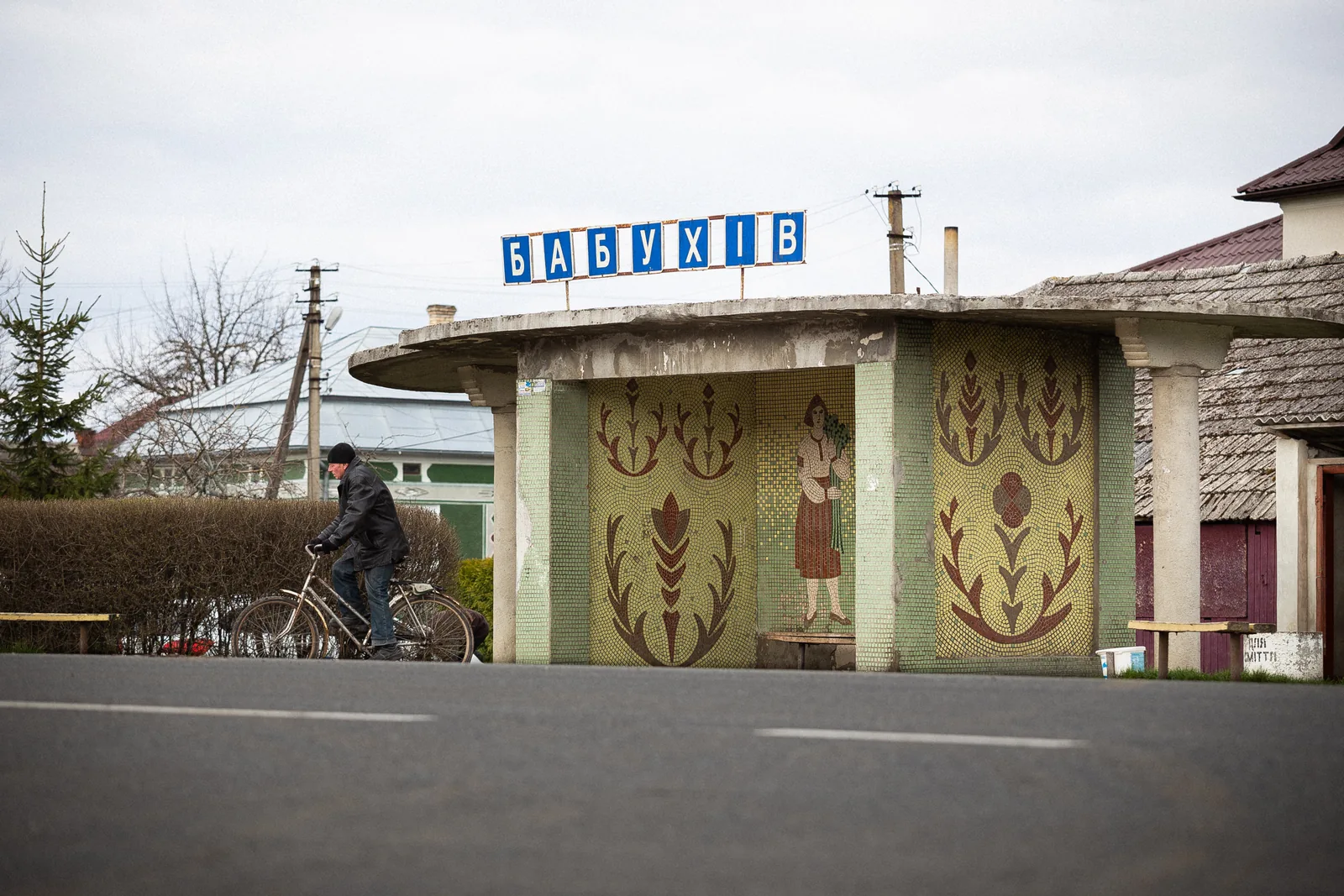
The featured Strymba photograph shows roof lettering associated with the shelter’s place name. It is not presented as an artist’s signature. That distinction illustrates the first task: identify what kind of text you are recording.
Photograph the text and its position
Take a view that locates the inscription on the work or building, followed by a closer image if you can do so safely and with permission. The context image prevents a detached detail from being assigned to the wrong panel.
Do not clean, wet, chalk or rub a surface to make lettering easier to read. Record the available view and seek another permitted angle or an existing documentary photograph.
Transcribe before translating
Copy the visible letters, numbers, punctuation and line breaks as carefully as possible. Use a consistent notation for unreadable portions and explain that notation. Keep a photograph alongside the transcription so another reader can assess it.
A transliteration changes script; a translation changes language. Neither is identical to the original text. Store them in separate fields rather than replacing the original with a smooth English sentence.
Getty’s guidance on inscriptions and marks supports this separation of transcription, location and interpretation. It also cautions that inscriptions may be later additions or otherwise require investigation.
Do not expand initials automatically
An initial and surname may suggest a known artist, but similarity is not proof. Compare a reliable signature record, commission document or institutional attribution. If the connection remains provisional, preserve the initials as written.
The same caution applies to dates. A number may refer to an event depicted, a later dedication, a restoration or an inventory mark. Its position and context matter.
A practical record format
Use six fields: exact visible text, location on the object, language or script if known, photograph identifier, proposed reading, and source for that reading. Add a confidence note where necessary.
For a hypothetical damaged signature, “A. [unreadable]” is preferable to a complete famous name supplied from intuition. This example is a recording method, not an attribution to any photograph in the Alliance’s collection.
Invite review without losing the original
If another reader proposes a correction, keep the earlier transcription in the record’s history and document why the new reading is stronger. A better photograph may resolve one letter while leaving the rest uncertain.
Share an inscription with the Alliance by identifying the artwork, the exact image and the part of the surface involved. Include your interpretation separately from the image itself. That makes the contribution useful even if the eventual reading changes.
Explore further
Help us document the next mosaic.
Every gift funds photography, research and preservation advocacy.
Donate