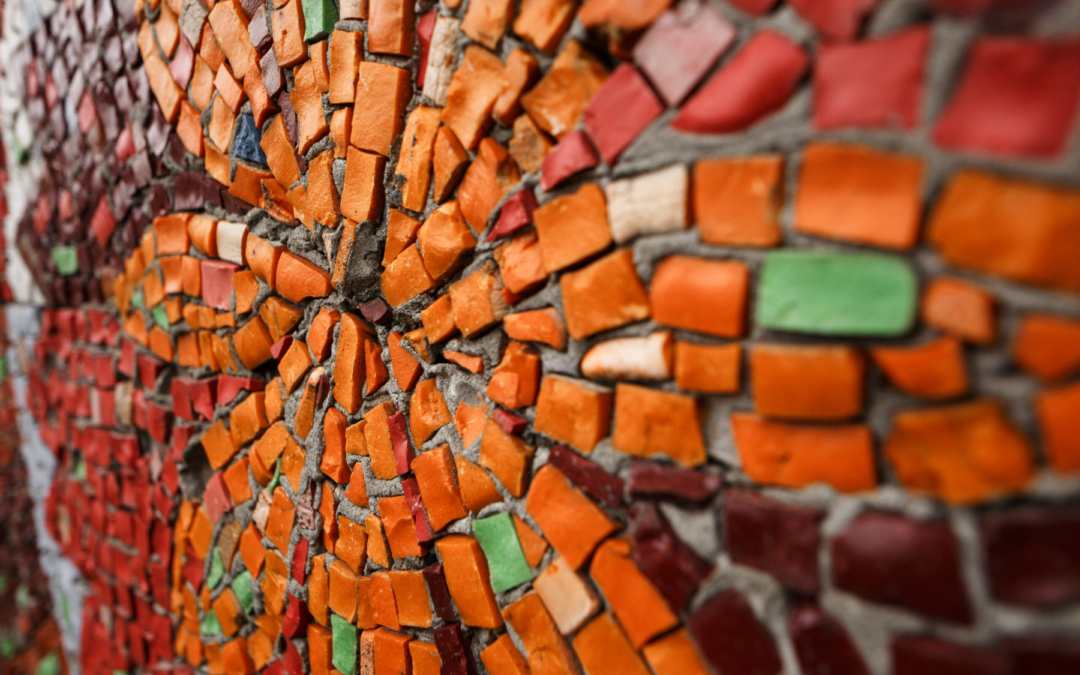
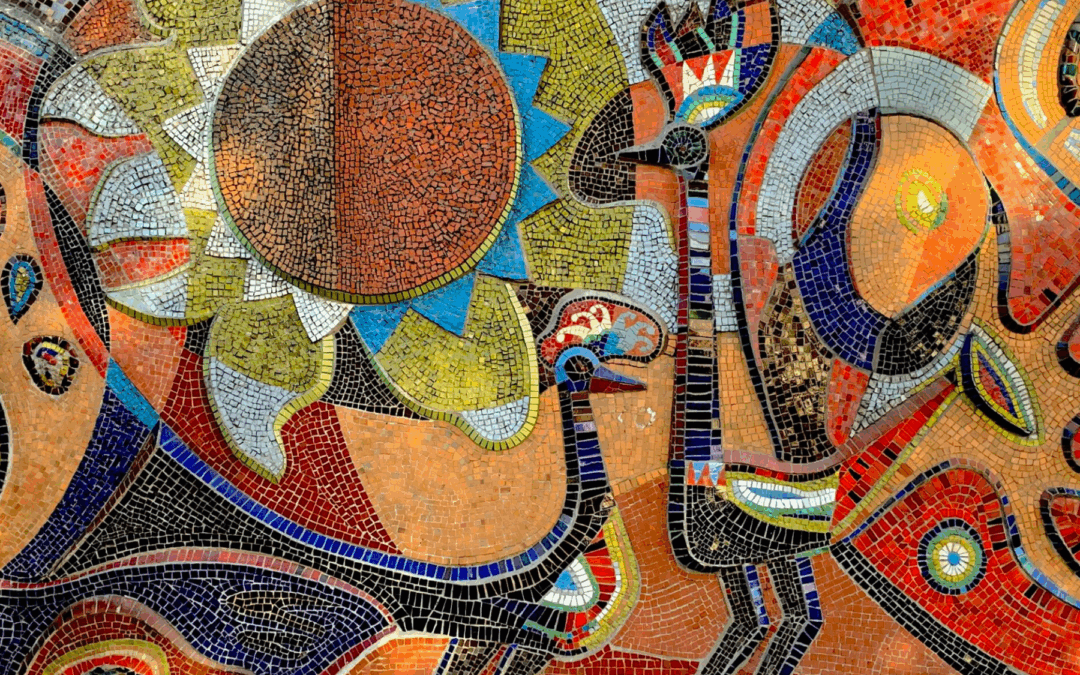
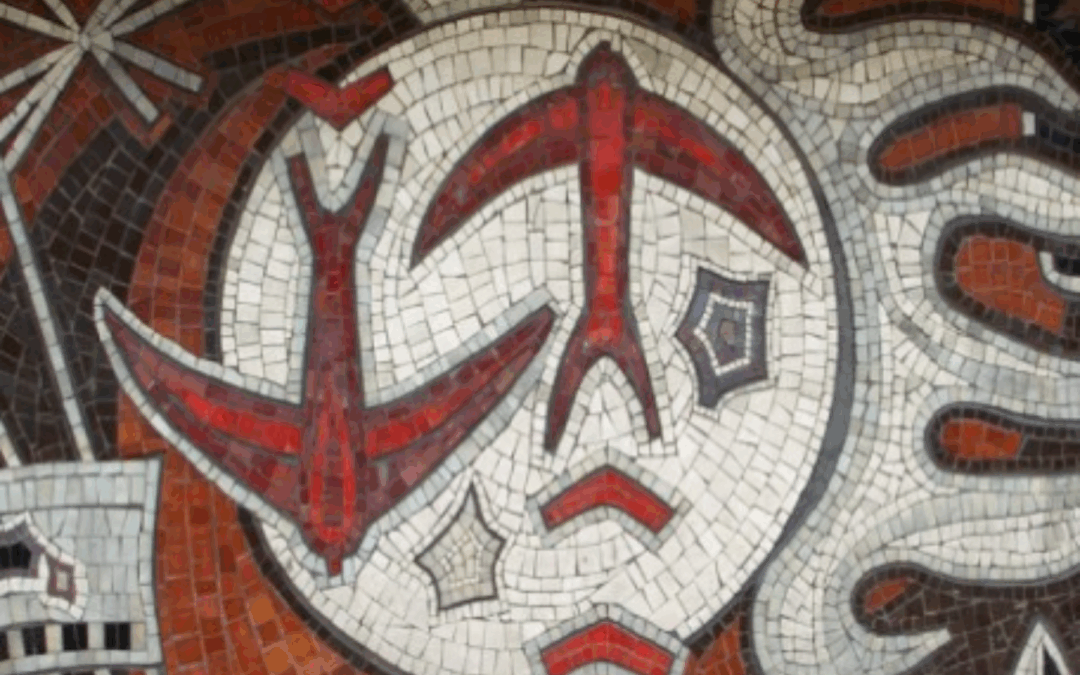
Across many Slavic cities and towns, mosaics have a hidden history. Some of the most striking works were not destroyed or removed. Instead, they were quietly covered. Layers of paint, plaster, or new walls concealed them for decades. Today, many of these mosaics are...
Symbolism runs deep through the mosaic traditions of Slavic regions. Whether decorating civic buildings, cultural centers, or public gathering places, these artworks often weave together natural motifs, folkloric imagery, and scenes from daily life. The result is a...
Throughout the 20th century, mosaic artists across the Slavic world transformed simple materials—glass, ceramic, stone—into remarkable public artworks. These mosaics were not luxury pieces designed for elite display. They were crafted for streets, schools, industrial...
Across Eastern Europe, entire stories shimmer quietly on building façades, metro walls, libraries, and former industrial centers. These mosaics often sit outside major tourist routes, overlooked by travelers focused on well-known monuments. Yet many represent some of...