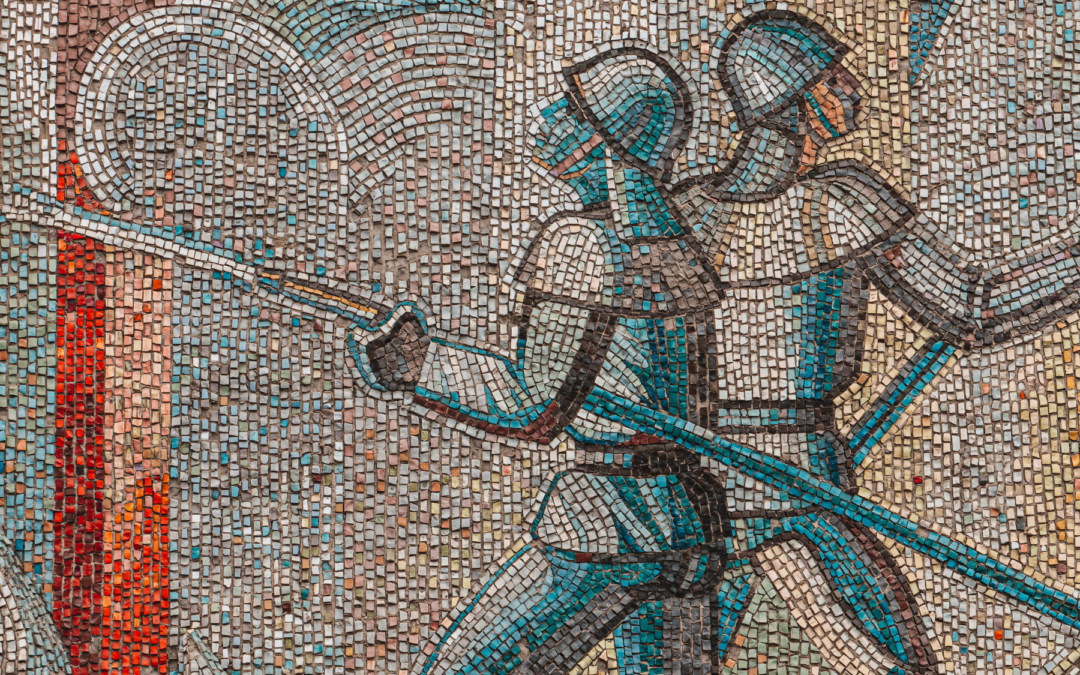
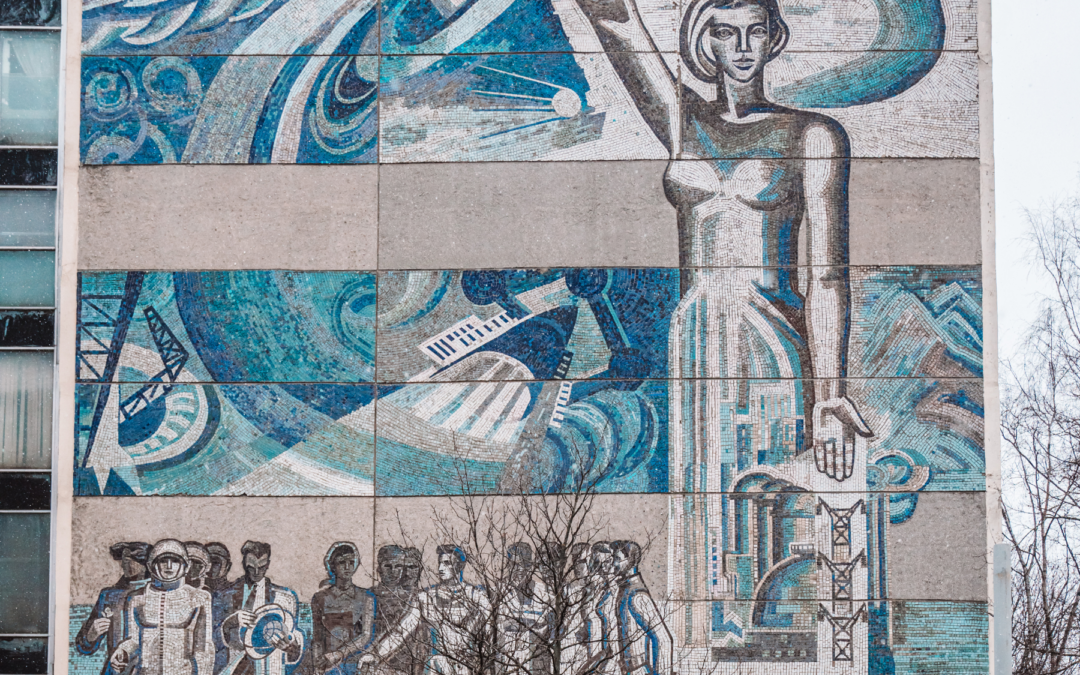
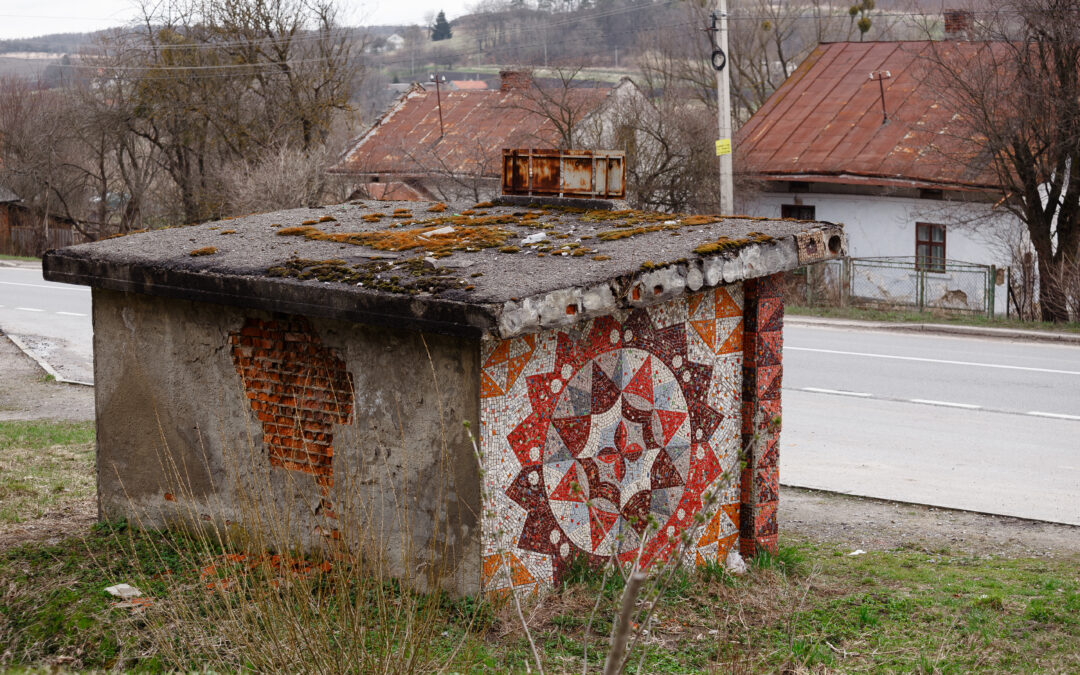
Slavic mosaic art shares common roots, but it is far from uniform. Across different Slavic countries, mosaic styles developed in distinct ways. Local materials, climate, architecture, and artistic traditions all influenced how mosaics looked and functioned in public...
Slavic mosaic art has always belonged to the public. Unlike artworks meant for private interiors, mosaics were created to be seen by many people every day. Their placement in shared locations gave them an important role in public ritual and community life. Public...
Slavic mosaic art is closely tied to place. While techniques and materials may look similar across regions, the meaning behind each mosaic is often deeply local. One of the strongest influences on these differences is folklore. Local legends shaped how artists chose...