
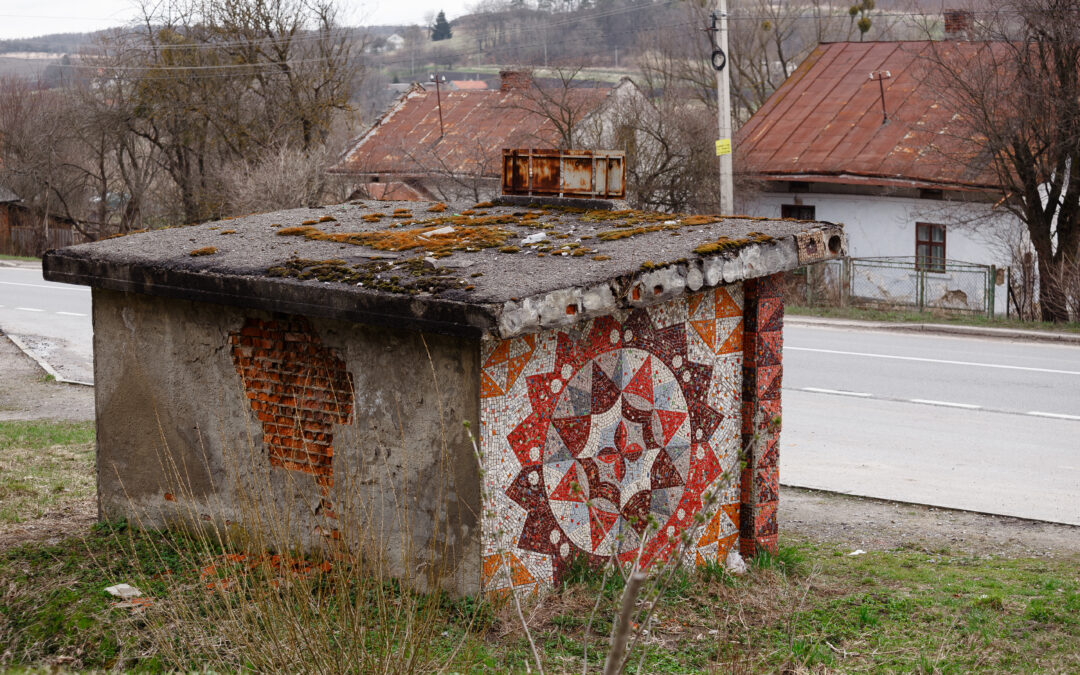
Slavic mosaic art is closely tied to place. While techniques and materials may look similar across regions, the meaning behind each mosaic is often deeply local. One of the strongest influences on these differences is folklore. Local legends shaped how artists chose symbols, colors, and composition, turning mosaics into visual expressions of shared stories.
For centuries, Slavic folklore was passed down through spoken word. These stories explained nature, seasons, work, and community life. They changed slightly from region to region, shaped by landscape and daily experience. When mosaic artists drew inspiration from folklore, they did not aim to retell stories in detail. Instead, they captured their spirit through visual language.
In forested regions, legends often focused on nature, animals, and unseen guardians of the land. Mosaics from these areas commonly feature flowing lines, plant forms, and repeated natural patterns. The designs feel layered and rhythmic, reflecting the dense environments where these stories were born. The goal was not realism, but atmosphere.
Regions shaped by rivers or coastlines developed different visual themes. Local legends frequently involved travel, movement, and change. Mosaic artists responded with long horizontal compositions and wave-like patterns. Repeating shapes guide the viewer’s eye across the surface, suggesting motion and continuity. These mosaics often feel calm and steady, echoing the presence of water.
Mountain regions told stories centered on strength, endurance, and protection. Their mosaics often use bold shapes, strong contrasts, and vertical movement. Straight lines and structured layouts reflect both the physical landscape and the values associated with it. These designs feel grounded and stable, reinforcing ideas of permanence.
Color plays a major role in expressing folklore. Deep blues and greens are often used to suggest mystery, depth, or the natural world. Reds and warm earth tones communicate energy, warmth, and protection. These colors were chosen with care. Local viewers would have understood their meaning without explanation.
Mosaic technique itself supports storytelling. A mosaic is made from many small pieces, each placed by hand. This mirrors the way folklore is built over time—through many voices and many retellings. No single piece tells the whole story, but together they form something lasting.
Most Slavic mosaics were created for public spaces. Schools, cultural centers, courtyards, and community buildings became places where local stories were permanently visible. Even when oral storytelling became less common, mosaics continued to share these narratives silently and consistently.
Over time, architecture changed, and some mosaics were overlooked or covered. Yet their presence still anchored spaces to local identity. When rediscovered or restored, they often reconnect communities with forgotten stories and shared history.
Understanding the role of folklore is important for preservation. Restoring a mosaic without recognizing its cultural meaning can change how it communicates. Colors, patterns, and placement all matter. Each decision reflects a local story that deserves respect.
For Slavic Art Alliance, these connections highlight why mosaics matter. They are not simply decorative works. They are visual records of regional identity, shaped by legend and community memory. Preserving them means preserving stories that belong to specific places and people.