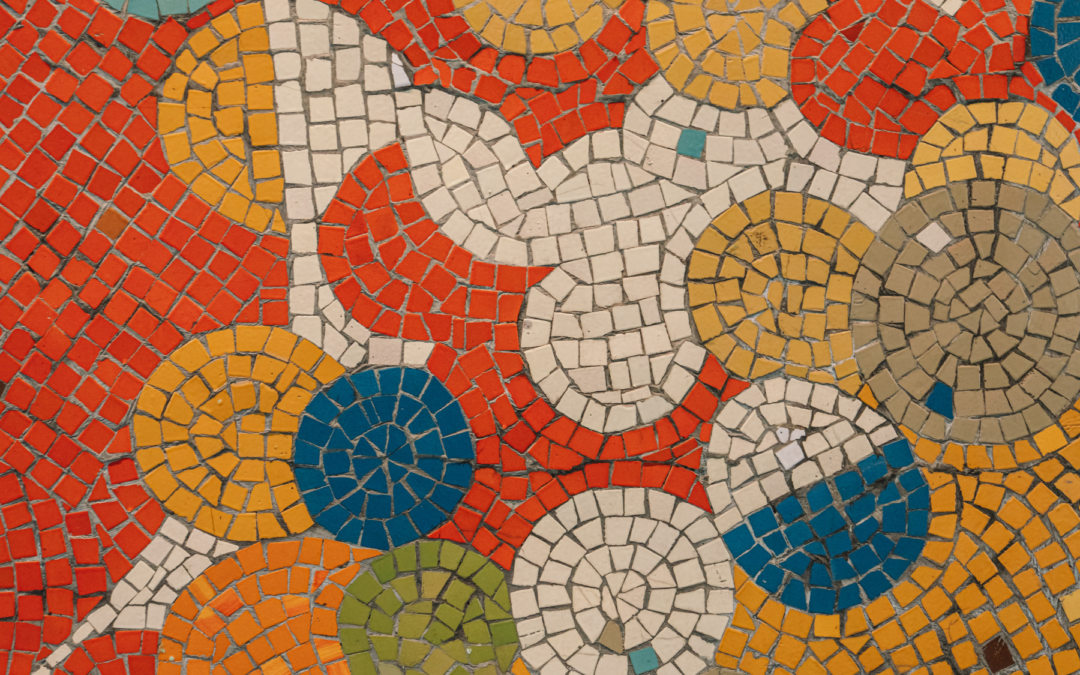
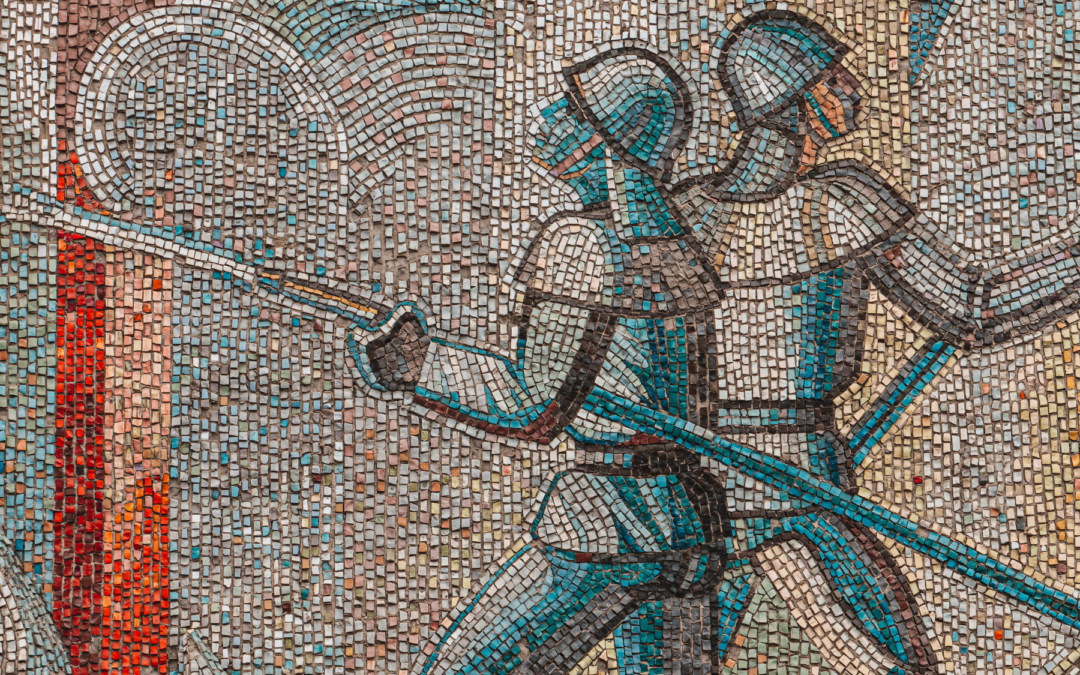
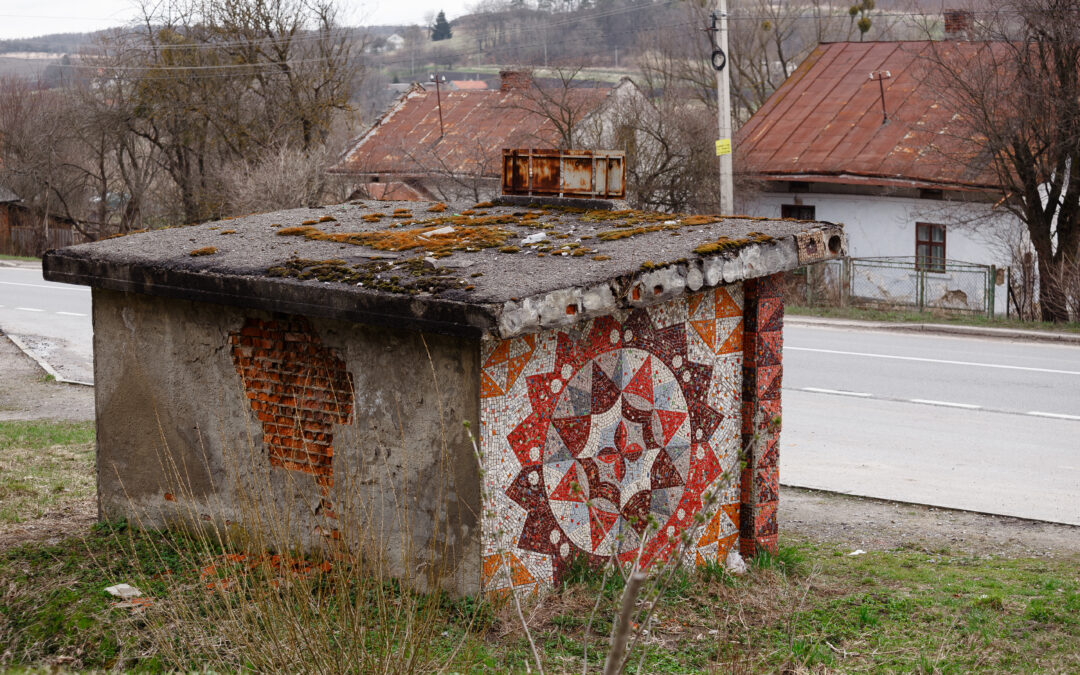
Slavic mosaics appear in many types of spaces. Some are found in sacred settings, while others belong to everyday public life. Together, sacred mosaics and secular mosaics show how mosaic art adapted to different needs while remaining deeply rooted in cultural...
Slavic mosaic art shares common roots, but it is far from uniform. Across different Slavic countries, mosaic styles developed in distinct ways. Local materials, climate, architecture, and artistic traditions all influenced how mosaics looked and functioned in public...
Slavic mosaic art is closely tied to place. While techniques and materials may look similar across regions, the meaning behind each mosaic is often deeply local. One of the strongest influences on these differences is folklore. Local legends shaped how artists chose...