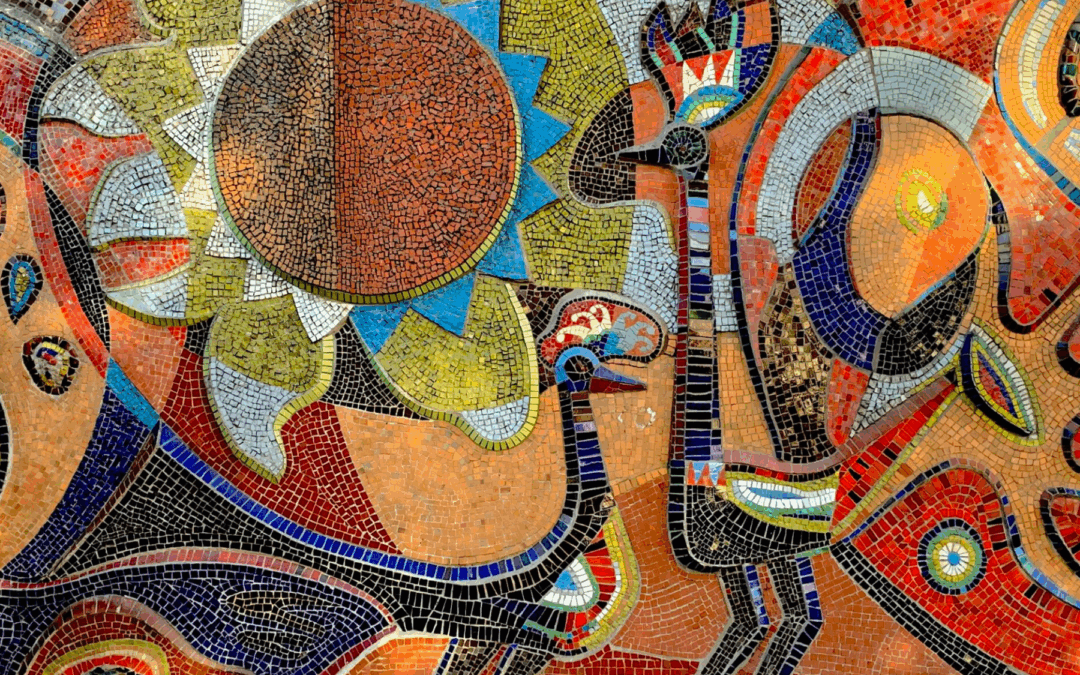
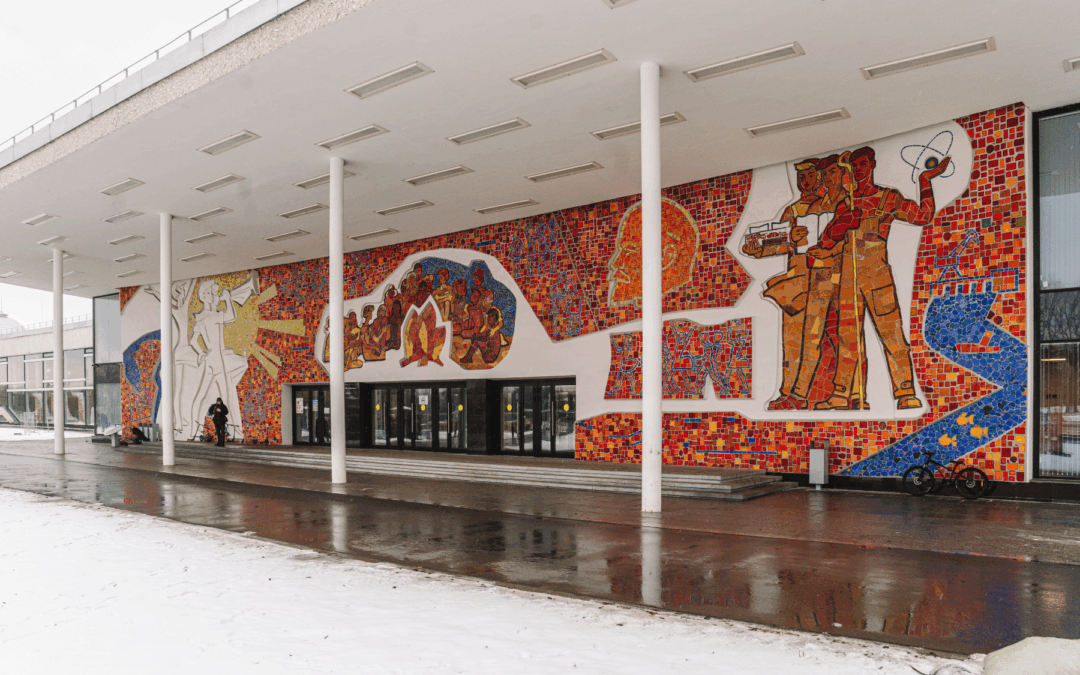
Slavic folklore has always been a rich source of symbolism, and mosaic artists embraced these stories to add depth and cultural meaning to public spaces. Instead of literal depictions of mythic characters, many mosaics interpret folklore through symbols—sun shapes,...
Smalt is one of the defining materials of Slavic mosaic art. Its deep, luminous colors and remarkable durability helped shape the public art landscape of Eastern Europe throughout the 20th century. For anyone exploring historic mosaics, recognizing smalt is like...
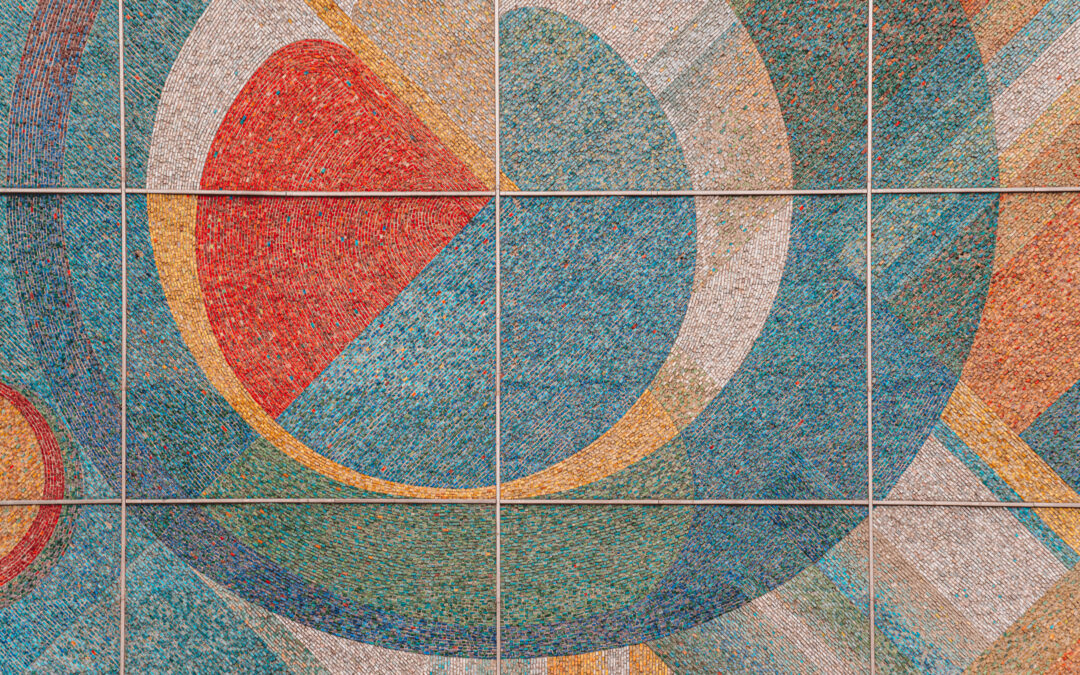
Geometry has always shaped the visual language of Slavic art. Whether found in textiles, carved woodwork, or monumental mosaics, geometric structure forms a quiet backbone behind the imagery. When viewers learn to recognize these underlying patterns, historic mosaics...
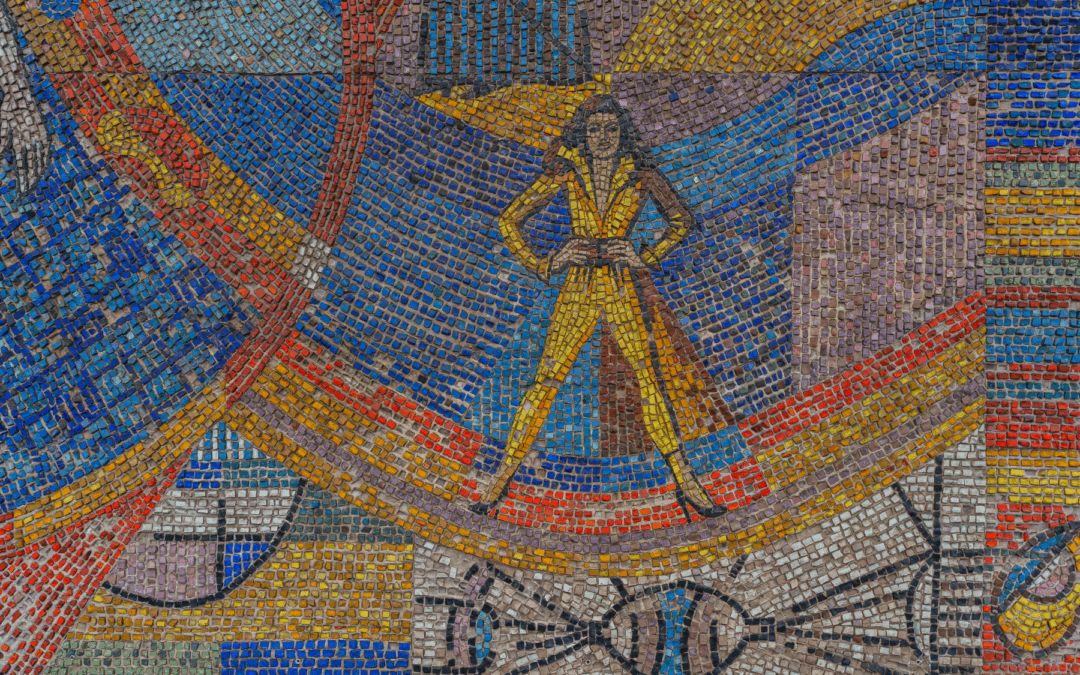
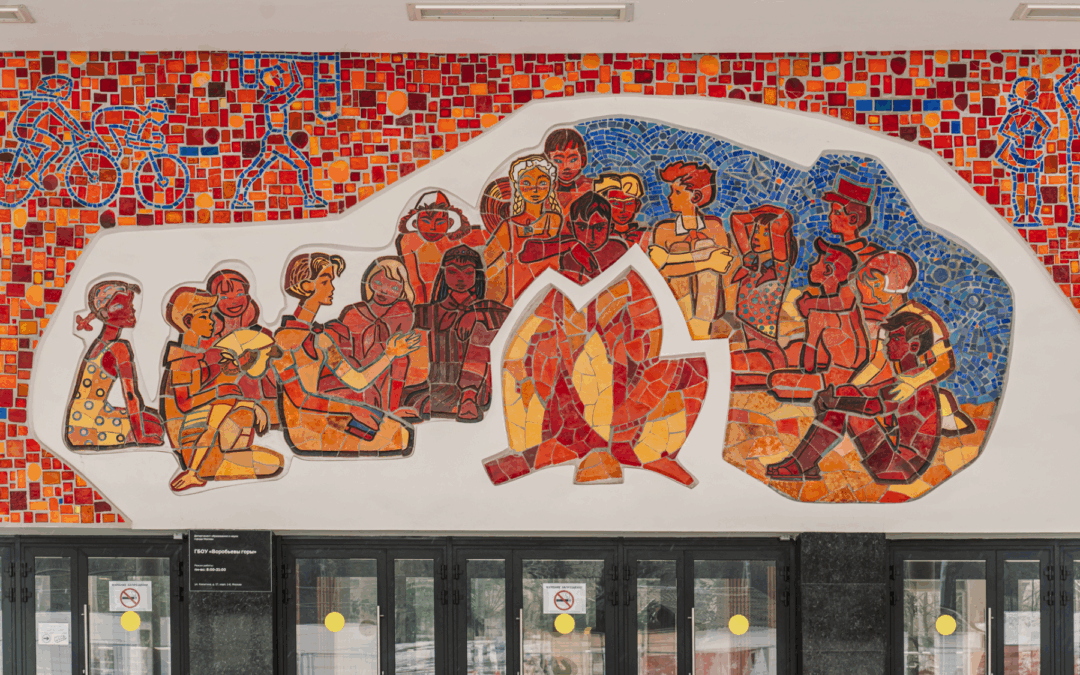
Symbolism runs deep through the mosaic traditions of Slavic regions. Whether decorating civic buildings, cultural centers, or public gathering places, these artworks often weave together natural motifs, folkloric imagery, and scenes from daily life. The result is a...
Across the Slavic world, mosaic traditions are experiencing a quiet revival. Community workshops, cultural centers, and small nonprofits are bringing people together to learn techniques that once shaped public squares, schools, and architectural landmarks. This...