
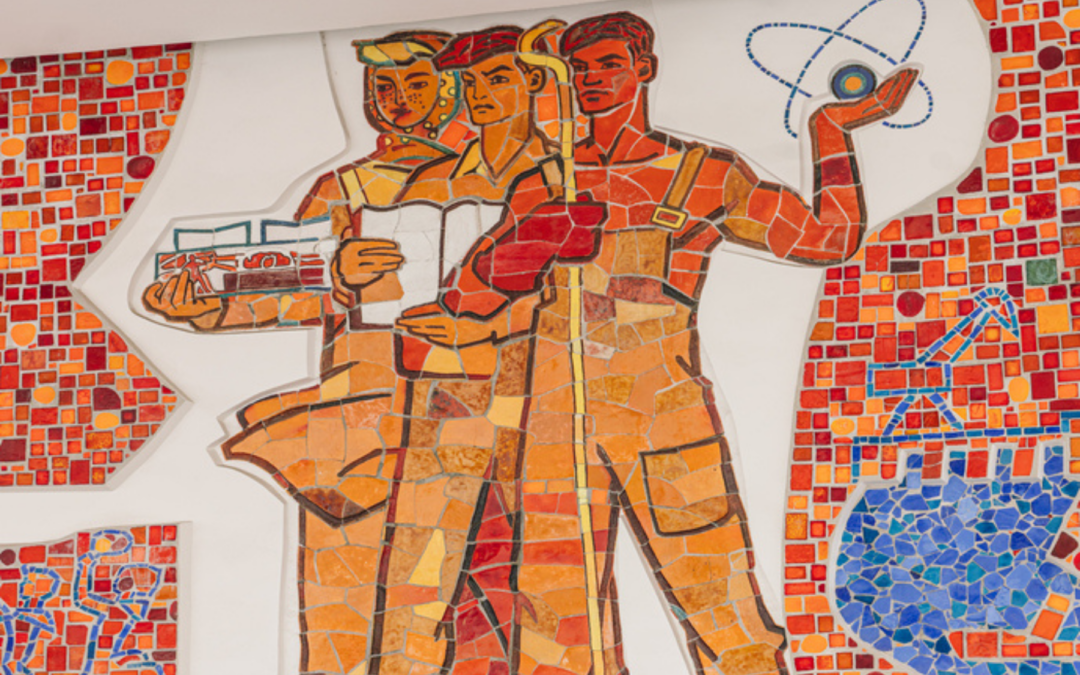
Slavic mosaic art is known for its strength and long life. Behind every finished panel is careful work and a strong connection between artist and material. The Slavic mosaic tools used to create these works shaped how mosaics were built, taught, and preserved across generations.
Early mosaic artists relied on simple Slavic mosaic tools made for hand use. Hammers, cutting edges, and shaping surfaces allowed artists to control each small piece of glass, stone, or ceramic. These tools supported traditional craftsmanship, where skill developed through repetition and experience rather than speed.
One of the most important Slavic mosaic tools was the hand hammer used to shape tesserae. Each piece was cut individually. This process took time, but it allowed artists to adjust size and angle as needed. This level of control is a key part of historic mosaic techniques.
Cutting bases were another essential tool. Artists used firm surfaces that allowed steady pressure. These bases helped reduce breakage and improve accuracy. Over time, workshops refined their mosaic techniques, passing down shared methods that supported consistent quality while preserving handmade character.
Learning mosaic art was inseparable from learning tools. Students were taught how Slavic mosaic tools responded to pressure, angle, and material type. This hands-on learning strengthened traditional craftsmanship, making technique a physical skill rather than a theoretical one.
As mosaics became larger and more public, Slavic mosaic tools evolved. Measuring guides, layout lines, and planning methods allowed artists to apply their mosaic techniques to walls, facades, and public interiors. These tools supported scale without sacrificing balance.
Modern mosaic artists now use updated Slavic mosaic tools, including mechanical cutters and improved adhesives. These additions increase efficiency and durability. Still, many artists continue to rely on hand tools because traditional mosaic techniques allow more expressive surfaces.
Hand-cut tesserae create slight variation. This variation adds movement and texture. Machines can prepare materials, but they cannot replace the control offered by classic Slavic mosaic tools. This is why traditional craftsmanship remains central to high-quality mosaic work.
In many workshops, artists still learn using basic Slavic mosaic tools before moving on to modern equipment. This teaching method builds patience and respect for materials. It also preserves historic mosaic techniques that might otherwise disappear.
Preservation work depends heavily on understanding Slavic mosaic tools. Restorers must use compatible tools and methods to avoid damaging original surfaces. Knowledge of traditional craftsmanship ensures that repairs support, rather than replace, original work.
Tools also carry history. Worn handles and customized shapes show how Slavic mosaic tools were adapted over time. They reflect the daily reality of artisans and the evolution of mosaic techniques across generations.
Educational programs benefit from showing tools alongside finished mosaics. Viewers gain appreciation for labor and process. Understanding traditional craftsmanship helps audiences see mosaics as skilled work, not surface decoration.
For Slavic Art Alliance, focusing on Slavic mosaic tools highlights the value of process. Preserving mosaic art means preserving how it was made. When mosaic techniques and tools are understood, the artwork gains deeper meaning.
While materials and technology continue to change, the foundation remains the same. Slavic mosaic tools, grounded in traditional craftsmanship, continue to shape how mosaics are created, preserved, and appreciated today.