Essay · November 19, 2026 · 3 min read
Mosaic, Marble Inlay or Relief? A Guide to Reading Museum Labels
By Slavic Art Alliance ·
A patterned wall can be assembled, modelled, carved or painted. From a distance, these processes may produce similar shapes. Museum labels and technical records help separate them, but only if we read beyond the artwork’s title.
The Museum of Byzantine Culture in Thessaloniki discusses both mosaic pieces and marble opera sectilia inlays in its collection. That distinction is a useful reminder that adjacent decorative traditions need precise names.
Mosaic: notice the individual elements
A mosaic image is assembled from individual pieces. Their arrangement, size and joints contribute to the picture. A close photograph may reveal these relationships, but the exact material still needs a reliable identification.
Do not decide that every shiny piece is glass or every pale piece is marble. Lighting and image processing can make different materials look alike. If a collection record identifies the material, attribute that statement to the record.
Inlay: look at how shapes are cut and fitted
In cut-stone inlay, larger shaped pieces can form a pattern or image through their fitted outlines. The relevant museum term should be preserved rather than flattened into “tiles.” Read the institution’s description of the particular object, since terminology may reflect a technical distinction that is not obvious in a small reproduction.
A useful note separates the visible pattern from the documented technique. For example, “geometric design” describes appearance; “marble inlay” is a material and process identification that should have a source.
Relief: depth becomes part of the image
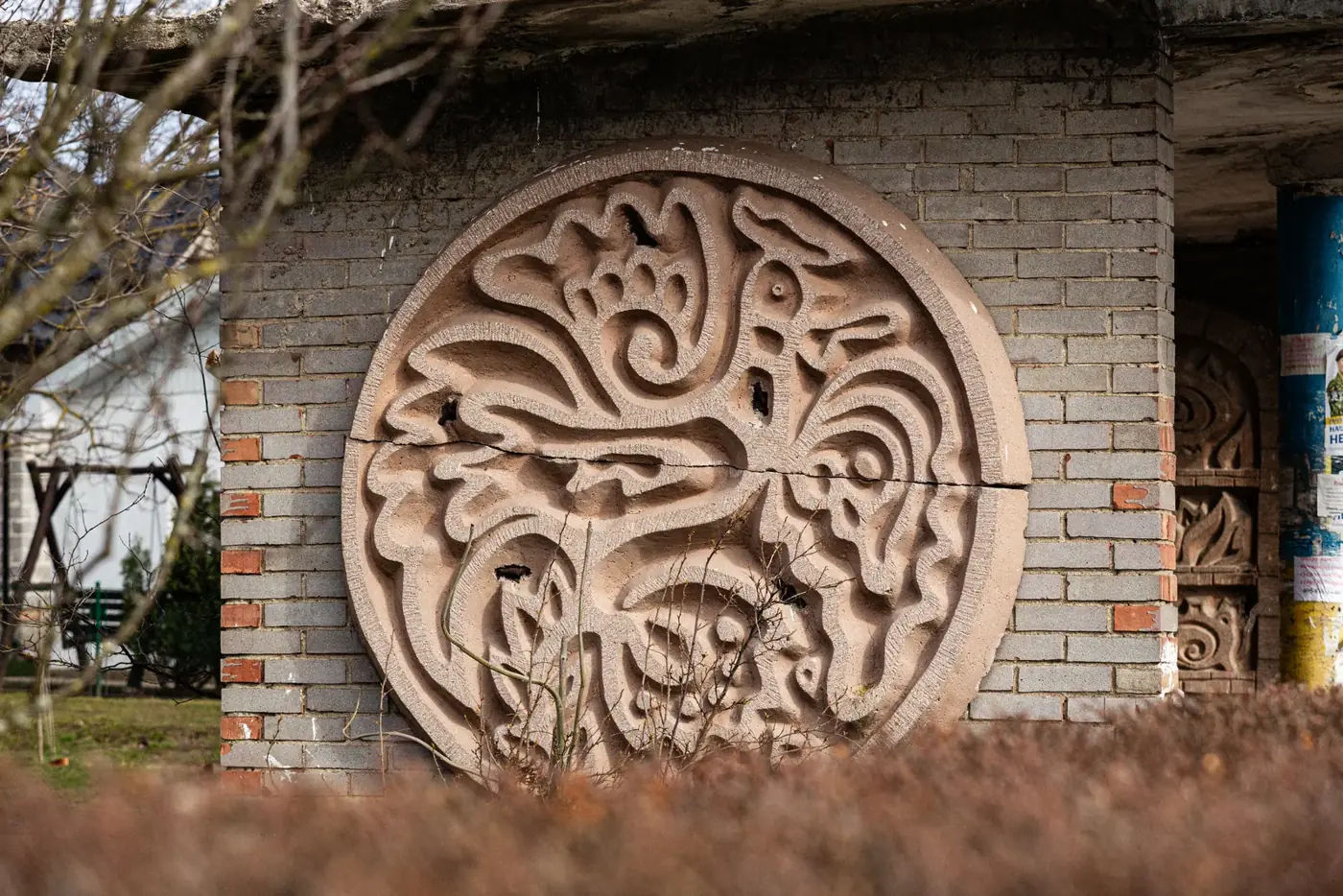
The featured photograph is from Hlyboka, Ukraine, not the Thessaloniki museum. It shows a circular ornament whose curling forms project and recede. The shadows and depth are central to its appearance.
This is a comparative example of relief. It should not be presented as a Greek object or assigned a specific material on the basis of the photograph alone. “Sculpted relief panel” is the useful visual description here; a documented material identification would add another level of certainty.
Read a label in a useful order
First identify the object and its record number. Next read the material and technique. Then note the date, origin and whether any attribution is qualified. Finally, read the interpretation.
This order helps avoid borrowing facts from a neighbouring object or from a general gallery introduction. A room may contain several techniques, periods and findspots. The label attached to the particular work is the starting point.
What to do when the label is incomplete
Record the wording rather than silently improving it. Mark uncertainty in your notes and seek a fuller catalogue entry. If two sources disagree, preserve both statements with their dates and references until the difference can be investigated.
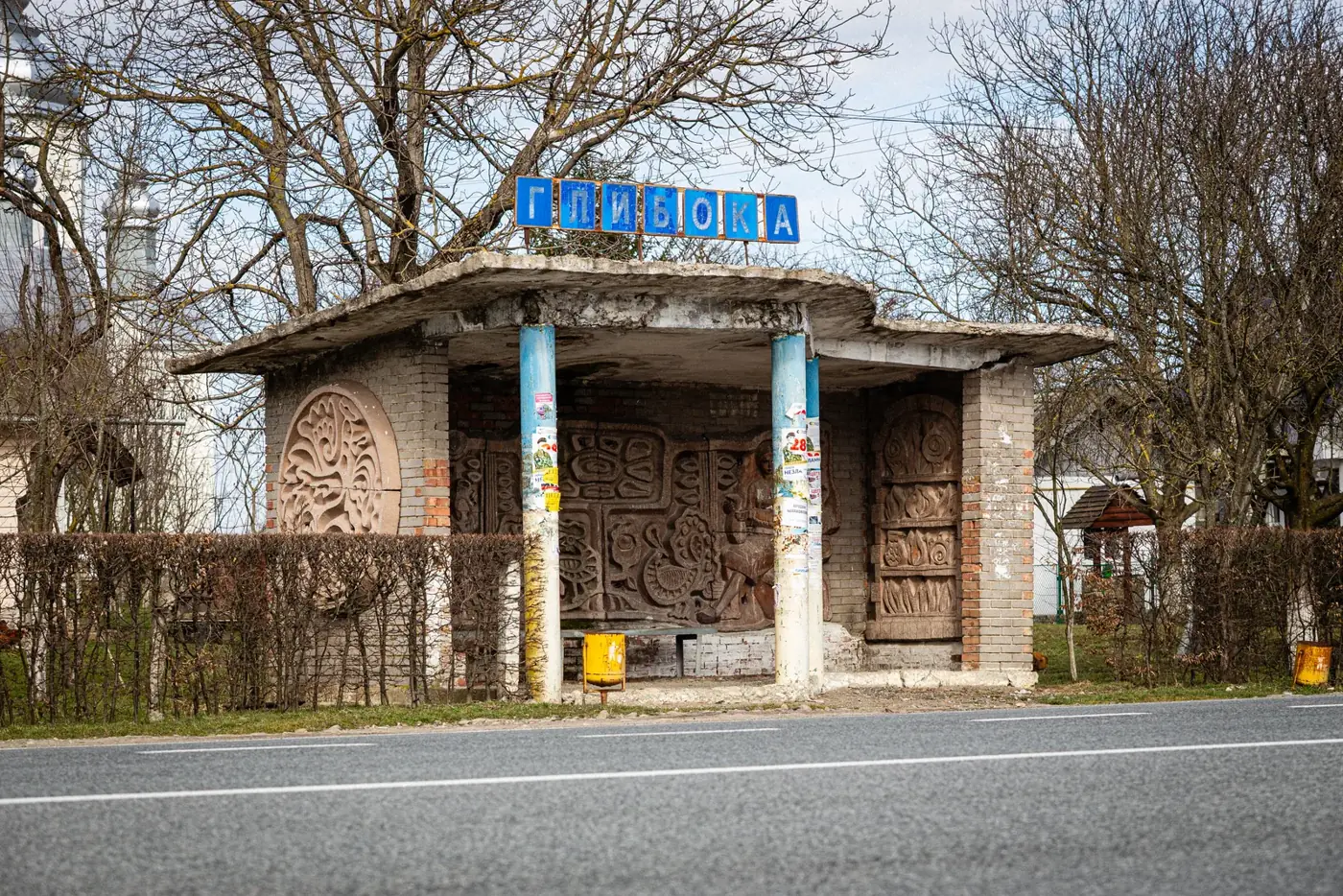
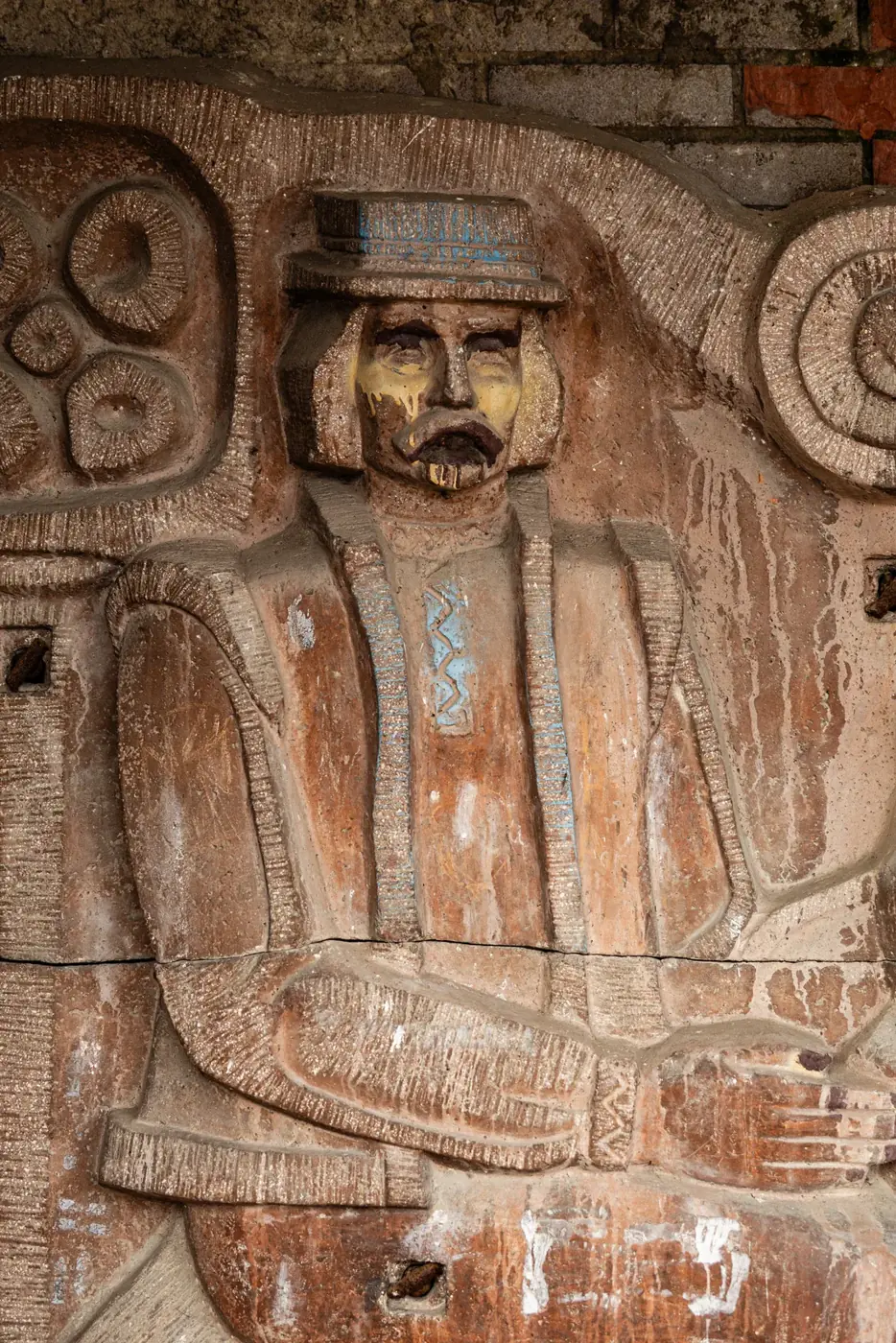
The goal is not to win a naming contest. Accurate terminology makes an archive easier to search and prevents false assumptions about how an artwork was made. It also respects works such as Hlyboka’s relief panels on their own terms, instead of making them fit a mosaic category simply because they decorate a shelter.
Explore further
Help us document the next mosaic.
Every gift funds photography, research and preservation advocacy.
Donate