Essay · November 19, 2026 · 3 min read
Organising a Mosaic Photo Archive: Originals, Names and Useful Metadata
By Slavic Art Alliance ·
A folder of beautiful photographs is not yet an easy-to-use archive. The missing pieces are often ordinary: which site is shown, who made the photograph, what the date means and which file is the original. A simple structure can preserve those connections without expensive software.
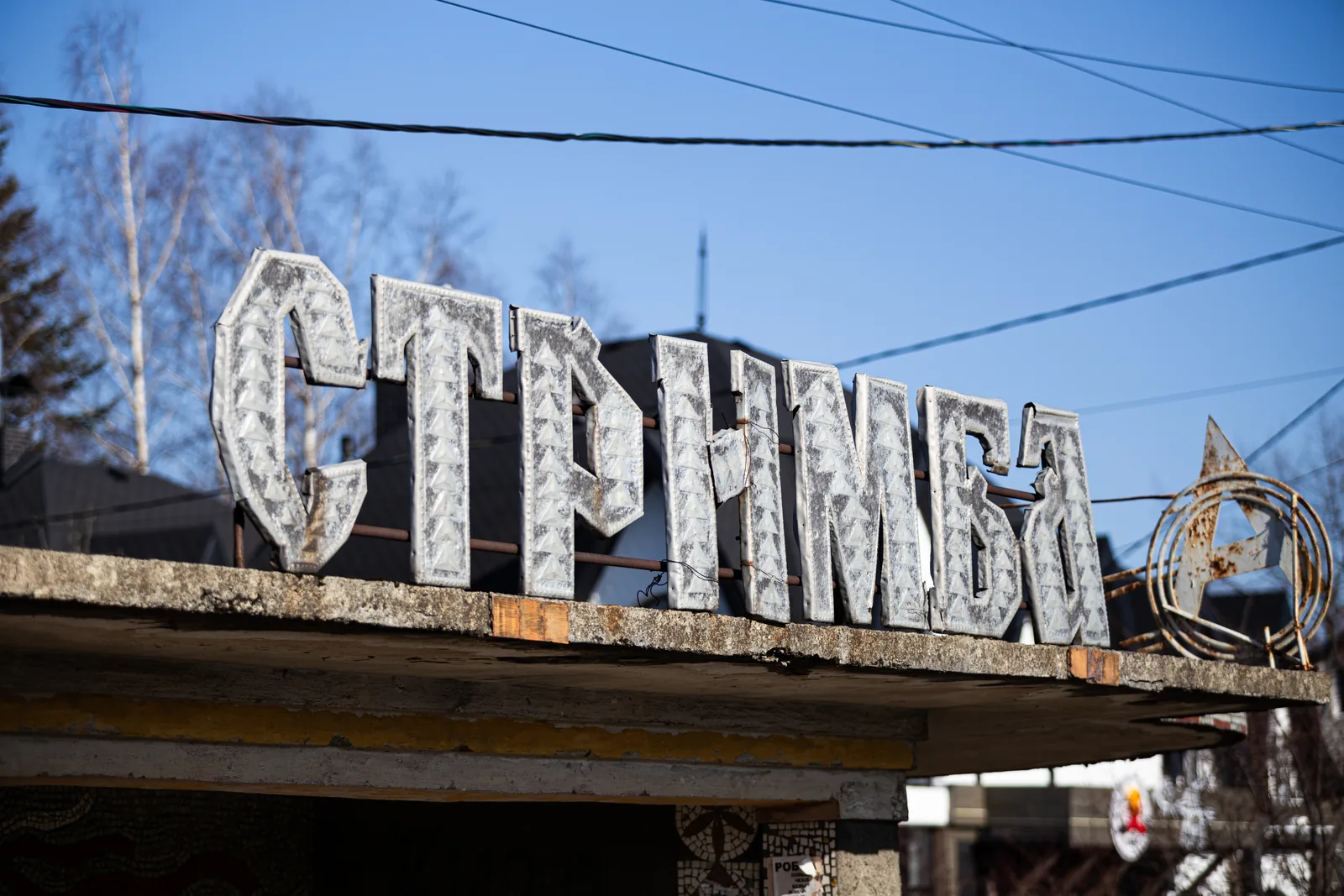
The Strymba sign in the featured image is a useful reminder that a photograph belongs to a place. A descriptive filename should strengthen that connection rather than replace the original source identifier.
Keep originals apart from derivatives
Store the delivered or camera-original files in a clearly named folder. Make website, presentation and social copies elsewhere. Do not repeatedly overwrite the original with resized or edited versions.
A derivative should retain a link to its source. If one photograph becomes a WebP website image and a JPEG sharing image, both are still the same photograph. Renaming or cropping it does not create a new source image.
Use a stable identifier
Give each photograph an identifier that remains unchanged when a caption improves. Keep the original filename in the record as well. A site name and descriptive phrase can help readers, but names and attributions may change as research develops.
A hypothetical structure might use a site folder containing originals, web and a metadata table. The example is a proposed organisational method, not a claim that every archive must use those exact folder names.
Record the fields that prevent confusion
Include the site, locality, country, photographer, source filename, capture date and date basis. Add a caption, permission record and any editing notes. If an artwork date is known, give it its own field with its source.
Keep unknown values explicit. A blank date is easy to mistake for an omission; “capture date not established” explains the limit. Do not copy a file’s modification date into an artwork-date field.
Make copies that survive one failure
The Library of Congress recommends keeping multiple copies in different places and checking that files remain readable. Apply that principle to the metadata as well as the images. A backup of photographs without their captions and credits loses part of the archive.
Cloud synchronisation can be useful, but confirm that important files are actually available and readable. A visible filename is not the same as a verified local copy.
Preserve changes as history
When a maker is identified or a place name corrected, record the new evidence and the earlier value. Do not erase the trail that explains why the catalogue changed.
For featured images, keep a usage register. Note the article, source photograph and final derivative so a later editor does not reuse the same image under a different filename.
Make the archive understandable to someone else
Add a short readme explaining the folder structure and the meaning of date fields. Then test the system by finding one photograph from its caption and tracing one website image back to its original.
If you contribute photographs to the Alliance, include this basic information with the files. Good organisation lets the image remain useful after the person who supplied it is no longer available to explain it.
Explore further
Help us document the next mosaic.
Every gift funds photography, research and preservation advocacy.
Donate