Essay · November 19, 2026 · 3 min read
Three Dates in a Mosaic Record: Made, Photographed and Published
By Slavic Art Alliance ·
A mosaic page can contain several dates, and they may all be correct while referring to different things. The artwork might have been installed decades before the photograph was taken. The photograph might then appear online years later. A useful archive keeps those events separate.
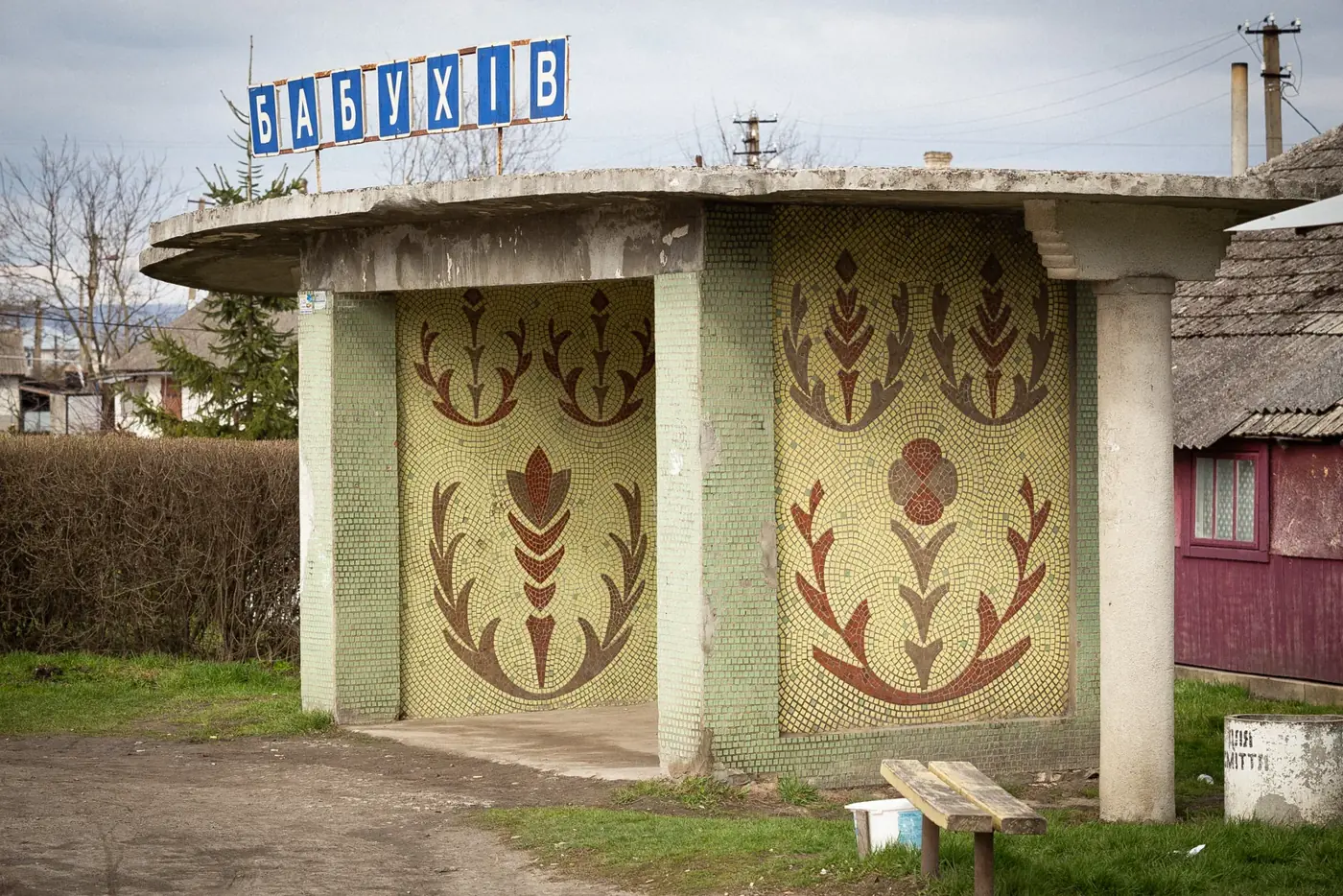
The featured Babukhiv photograph illustrates the point. Its delivery to the Alliance in November 2026 does not establish when the shelter was built or when the image was captured. A delivery date is evidence about the transfer of a file.
Creation or installation date
An artwork date should come from a reliable record: a commission document, institutional catalogue, dated inscription interpreted carefully, or other relevant evidence. A building’s opening date may be useful context but does not automatically date its decoration.
If a source gives a range, retain the range. If two sources disagree, record the disagreement rather than averaging the dates. “Date not established” is more accurate than choosing a plausible decade from the visual style.
Photograph capture date
A camera file may contain embedded date information. That can help organise a collection, but a camera clock can be incorrect and metadata can be changed or removed. Treat the field as a source with limits, not an infallible witness.
A photographer’s dated account, a sequence of original files or other contextual evidence may help corroborate it. Preserve the original file and the basis for the date. Do not overwrite an uncertain capture date with the date you downloaded the image.
Publication and modification dates
A publication date tells the reader when a page was released. A modification date should reflect an actual substantive update to that page. Neither proves a new site visit or a change in the artwork.
If an article is updated with a newly researched attribution but retains an older photograph, say so where relevant. Readers should not have to infer whether “updated” means new writing, new images or a fresh condition assessment.
Use a small event table
For your own records, make separate rows for artwork creation, installation, relocation, photography, file delivery and publication. Leave unused rows blank. Add a source beside every date that matters.
A hypothetical example might read: “Artwork date: unknown. Photograph: 2021, according to photographer. File received: 2026. Article published: later, date to be assigned.” This is a sample record, not a claim about a particular shelter.
Why the distinction matters
Condition comparisons depend on reliable chronology. Two files uploaded in different years might have been photographed on the same day. Conversely, two files delivered together may document a long interval.
The Library of Congress’s photo-archiving guidance emphasises organised files and descriptive information. A date field that says what happened is part of making that information useful.
When contributing to the Alliance, include the capture date if known and explain its basis. If it is uncertain, say that plainly. A transparent uncertainty can be researched; an invented date can quietly mislead every later reader.
Explore further
Help us document the next mosaic.
Every gift funds photography, research and preservation advocacy.
Donate