Essay · November 19, 2026 · 3 min read
Supporting Mosaic Documentation: Questions That Make a Gift More Informed
By Slavic Art Alliance ·
Someone who cares about mosaics may want to help but be unsure what support achieves. Documentation, research, advocacy and physical conservation are related activities with different tasks and evidence. An informed contribution begins by understanding which activity an organisation is asking you to support.
Slavic Art Alliance’s website presents a mission of documenting and celebrating mosaic heritage. Its archive and journal make that work visible. The donation page is the appropriate place to review the current giving options; this article does not assign a fixed result or a named restoration project to any donation amount.
Ask what the proposed work includes
A documentation effort might involve photographs, location records, source research and catalogue editing. A conservation intervention involves a different scope and appropriate expertise. Do not assume that photographing a mosaic means repairing it, or that an online record guarantees physical protection.
For a specific appeal, look for a clear description of the activity, responsible people and intended output. If those details are absent, ask for clarification rather than supplying an optimistic interpretation.
Look for evidence that can be shared
Useful documentation outputs may include credited images, consistent records and corrections supported by sources. An organisation should be able to explain what it has actually completed without relying on invented impact figures.
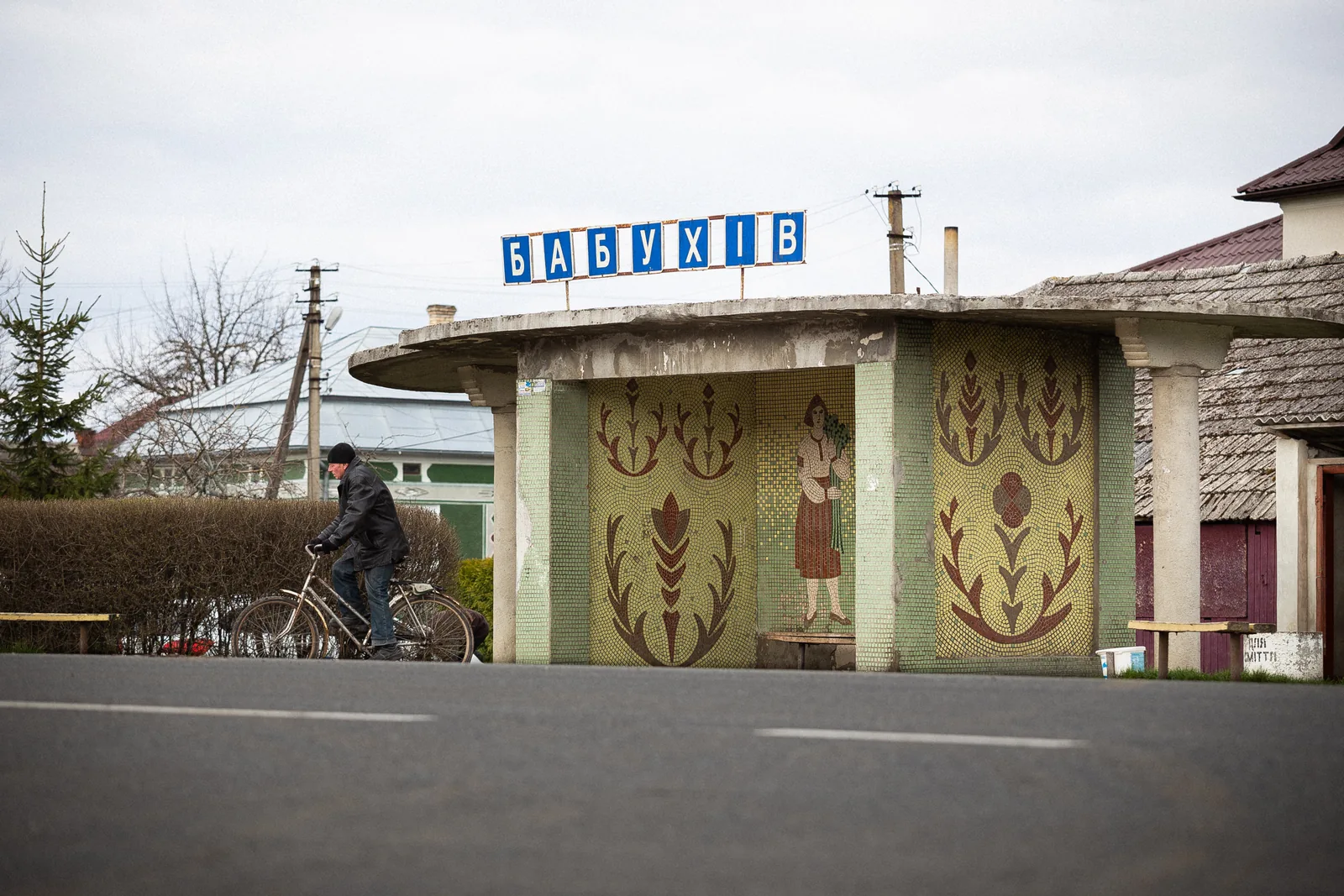
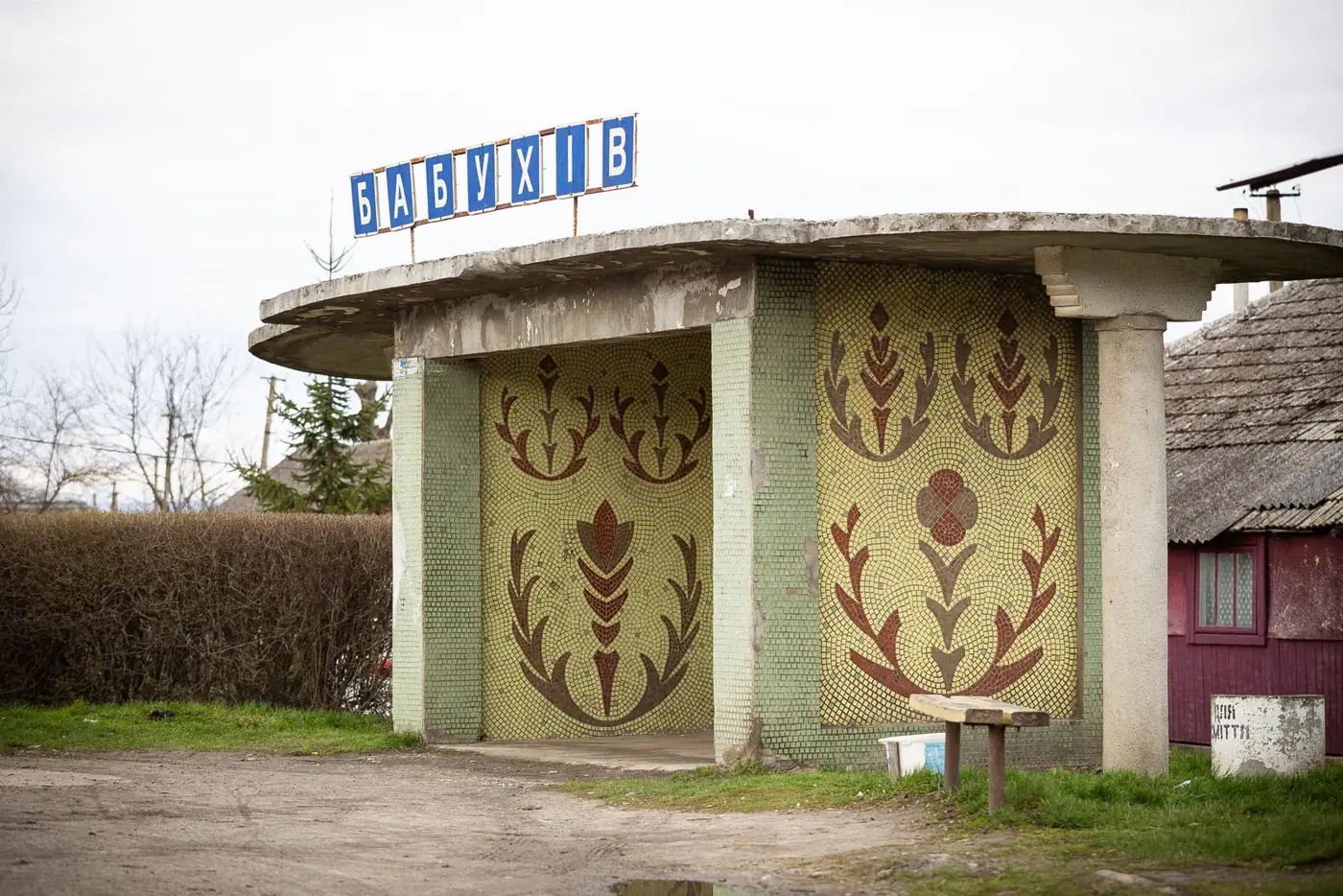
The featured Babukhiv photograph illustrates a concrete archive contribution: a named photographer’s record of a particular decorated shelter. It does not establish that the Alliance built, restored or owns the shelter.
Consider nonfinancial contributions
A dated photograph, a reliable attribution source or a carefully recorded local memory can add information that money alone cannot supply. The value depends on clarity, relevance and permission to use it.
Before sending a large collection, contact the Alliance or follow the submission form’s instructions. Include the location, credit, capture date if known and the basis for any historical claim. Keep unknown information explicit.
Avoid attaching promises to a gift
Do not assume that a particular amount pays for a specific number of photographs, saves one mosaic or funds a tour unless the organisation has published and substantiated that offer. This article makes no such unit-cost promise.
If you want to support a restricted purpose, discuss it with the organisation before giving. The current donation page and direct communication are better guides to available arrangements than an old news post about a fundraising platform.
Follow the record over time
An archive becomes stronger through corrections, additional views and clearer sources. Look for that continuing care as well as for new entries. A revised attribution can be a meaningful improvement even when it does not produce a dramatic new image.
Read the Alliance’s founder story and explore the mosaic map to understand the organisation’s stated interests. Then choose a contribution that matches your resources and the actual request: information, photographs, introductions or financial support.
Thoughtful support does not require a promise that every problem will be solved. It requires a clear account of the work, honest limits and a way for evidence to remain available to future readers.
Explore further
Help us document the next mosaic.
Every gift funds photography, research and preservation advocacy.
Donate