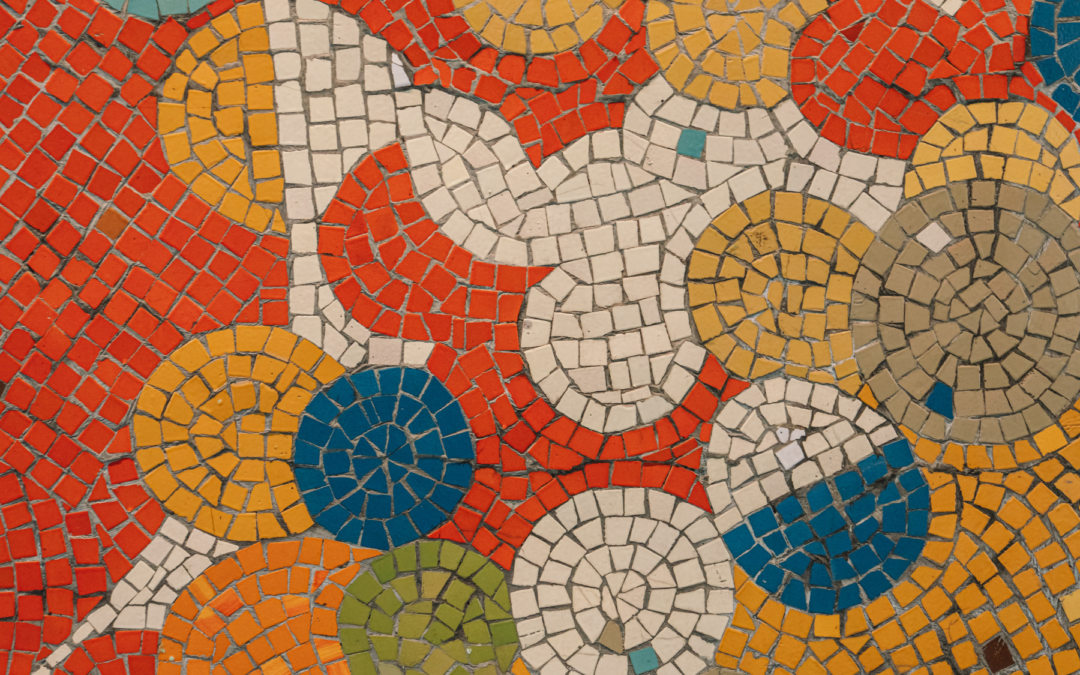
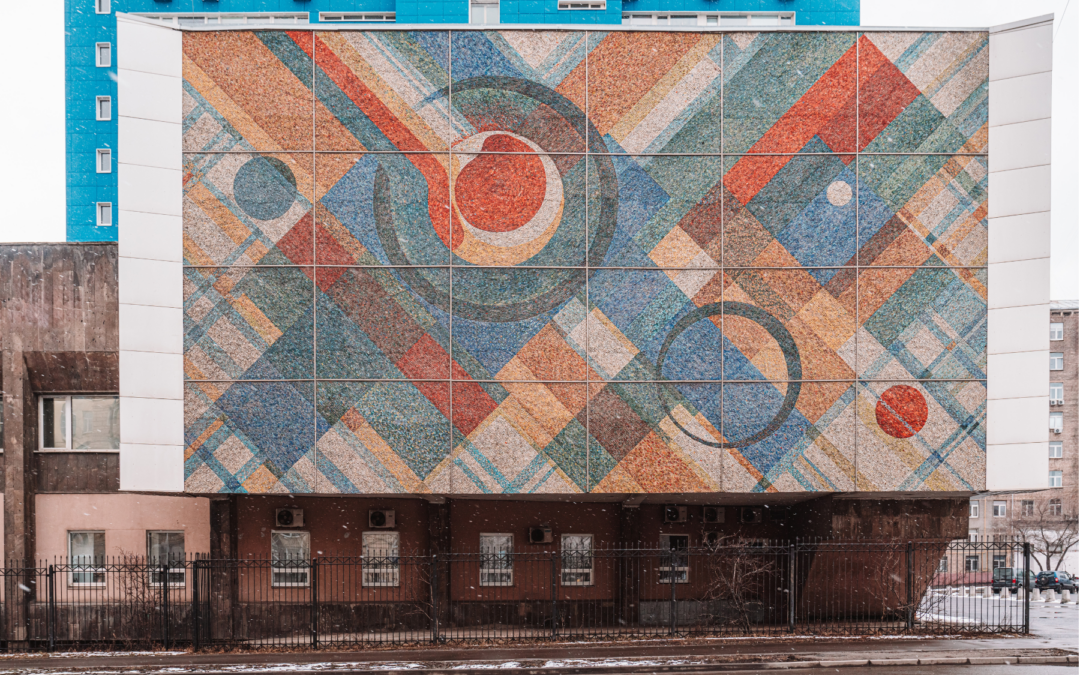
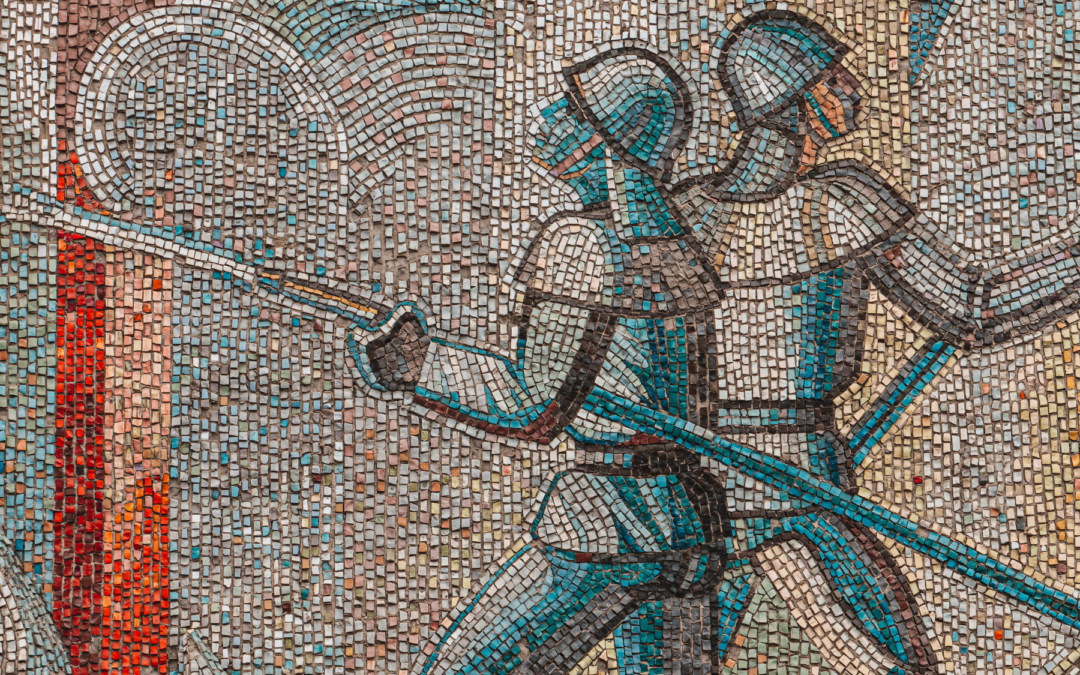
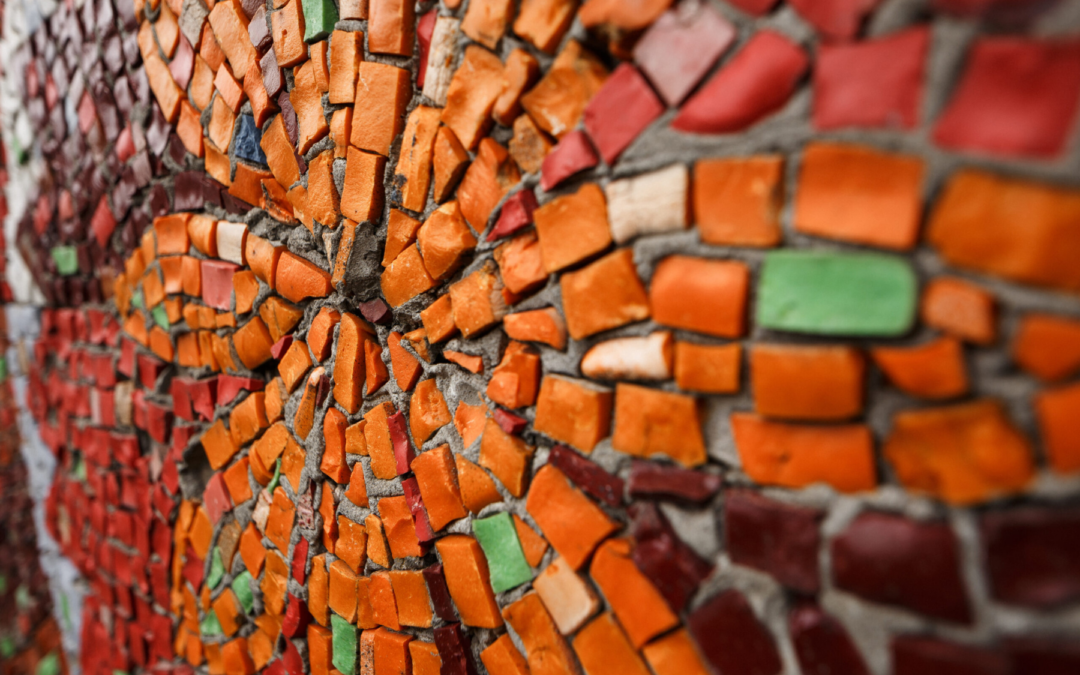
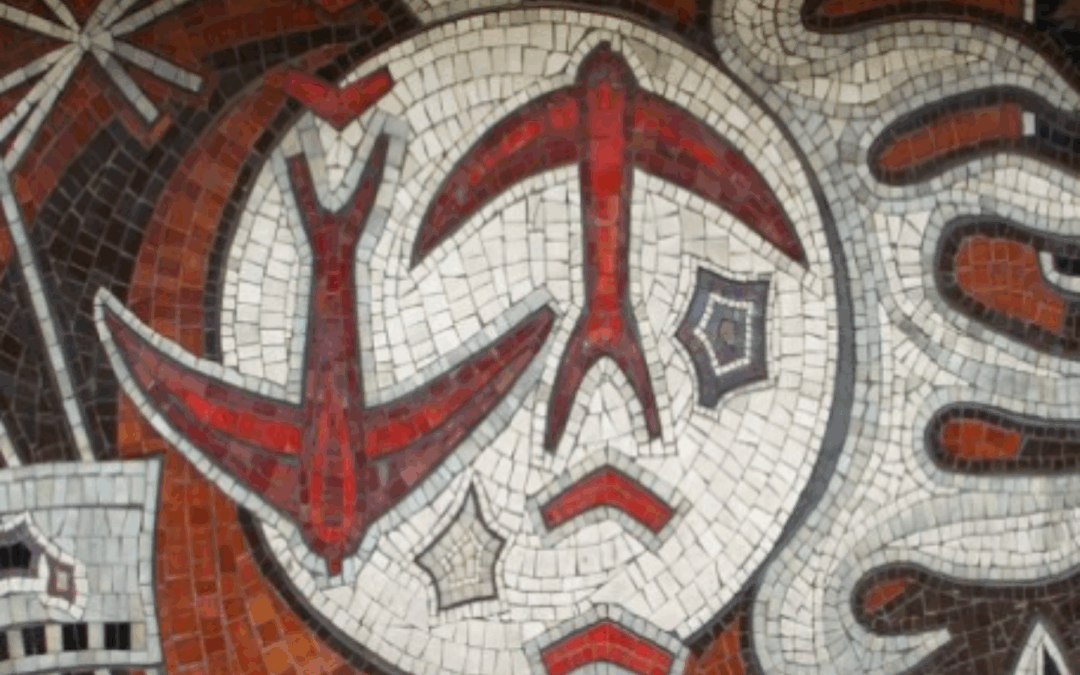
Slavic mosaics appear in many types of spaces. Some are found in sacred settings, while others belong to everyday public life. Together, sacred mosaics and secular mosaics show how mosaic art adapted to different needs while remaining deeply rooted in cultural...
In Slavic mosaic art, meaning does not stop at the central image. The edges matter. Borders play an important role in how mosaics are read, understood, and experienced. Through careful use of framing and edge patterns, artists shaped how viewers approached the artwork...
Slavic mosaic art shares common roots, but it is far from uniform. Across different Slavic countries, mosaic styles developed in distinct ways. Local materials, climate, architecture, and artistic traditions all influenced how mosaics looked and functioned in public...
Across many Slavic cities and towns, mosaics have a hidden history. Some of the most striking works were not destroyed or removed. Instead, they were quietly covered. Layers of paint, plaster, or new walls concealed them for decades. Today, many of these mosaics are...
Throughout the 20th century, mosaic artists across the Slavic world transformed simple materials—glass, ceramic, stone—into remarkable public artworks. These mosaics were not luxury pieces designed for elite display. They were crafted for streets, schools, industrial...