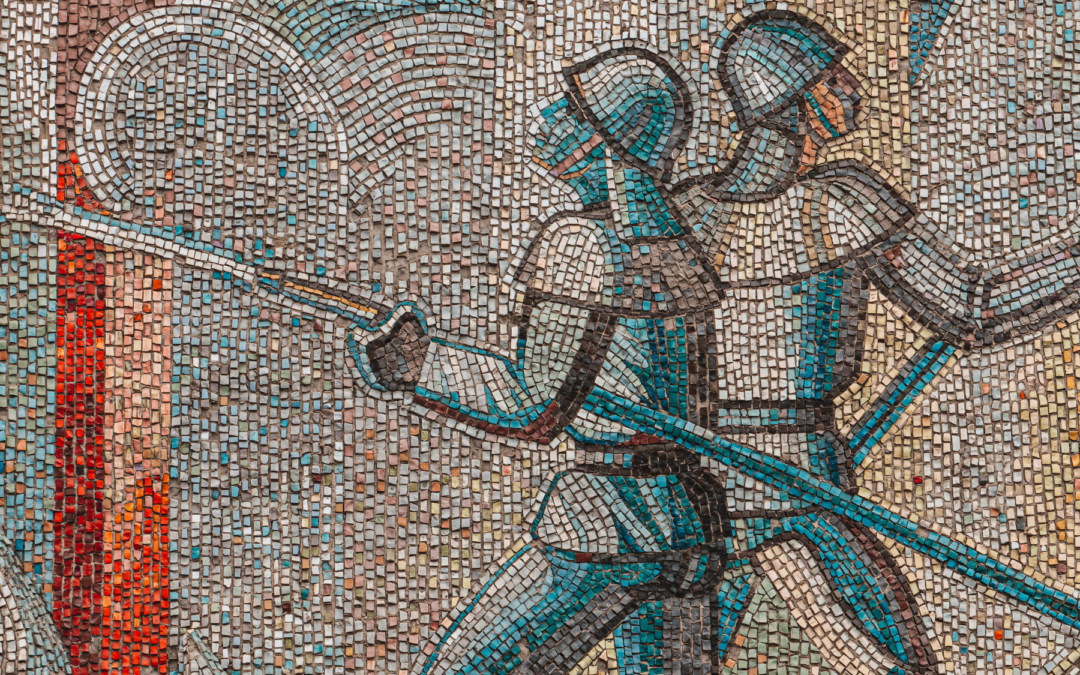
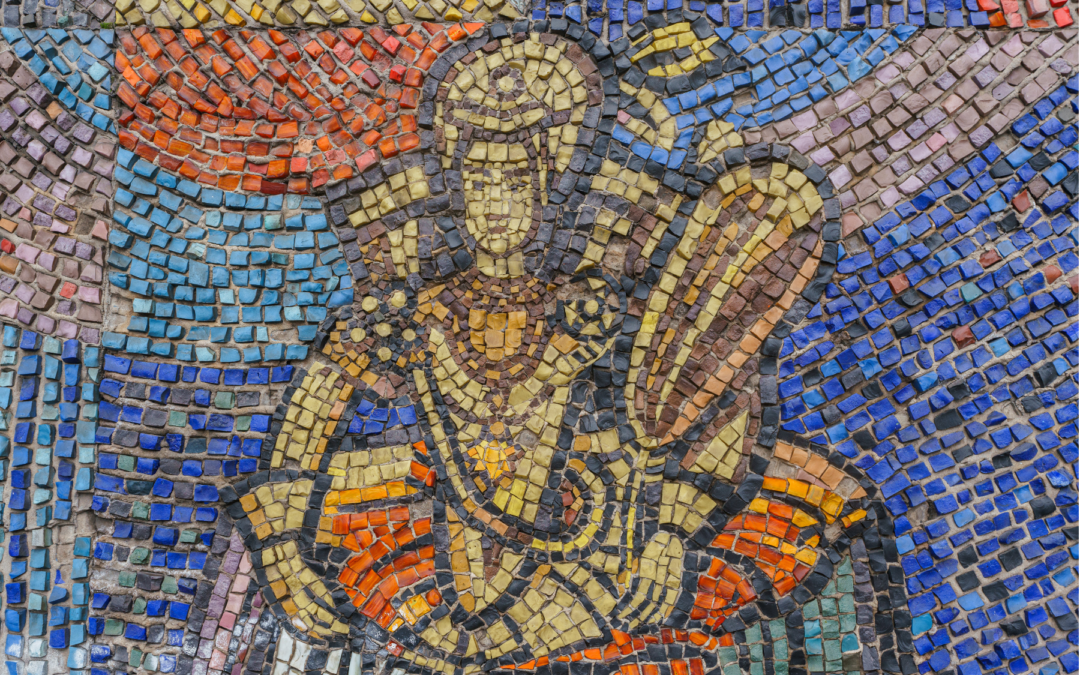
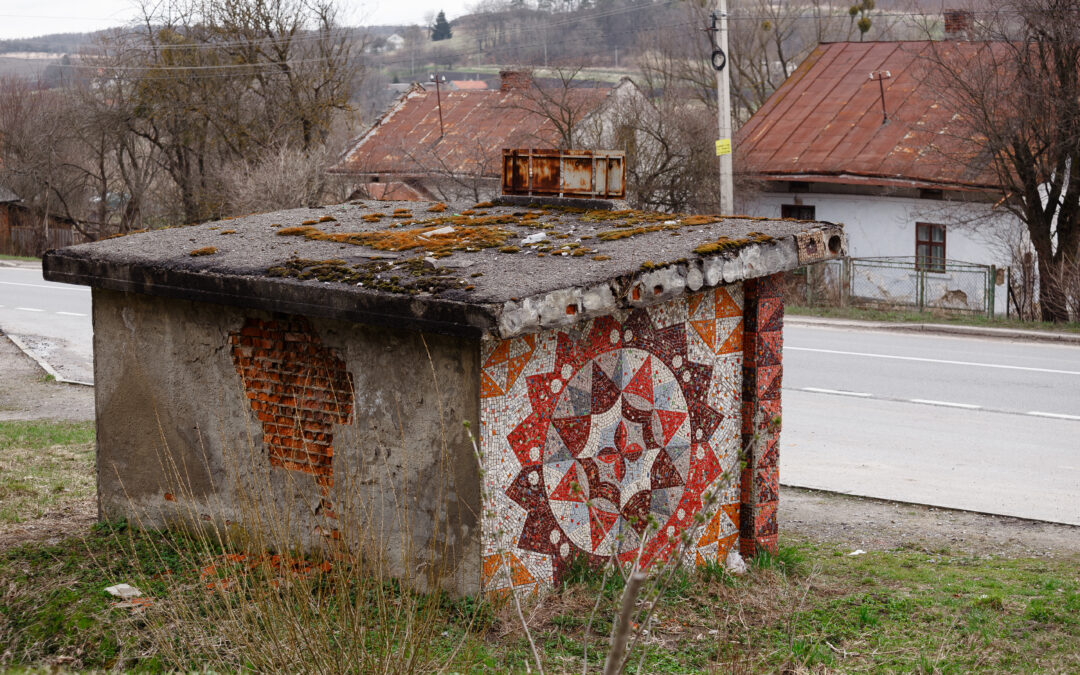
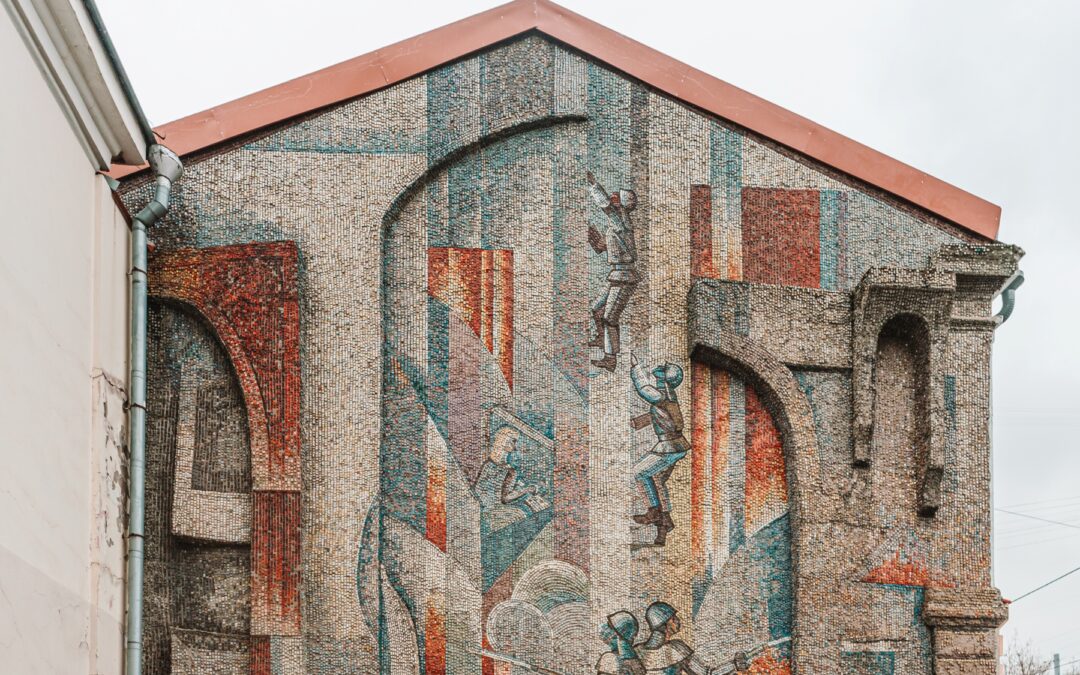
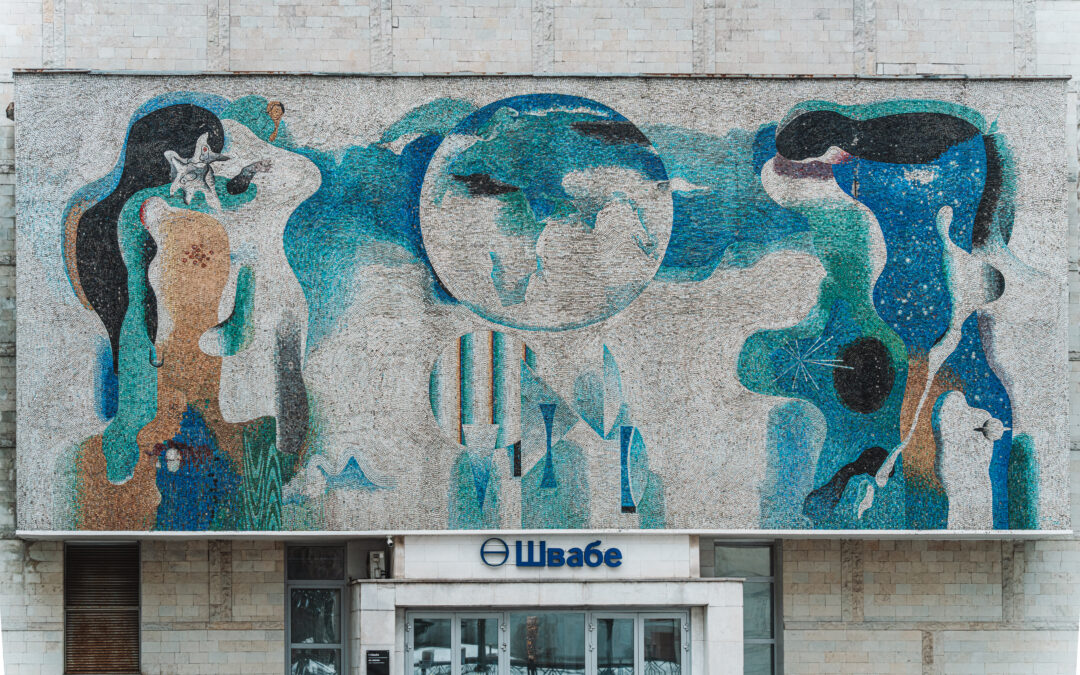
Slavic mosaic art shares common roots, but it is far from uniform. Across different Slavic countries, mosaic styles developed in distinct ways. Local materials, climate, architecture, and artistic traditions all influenced how mosaics looked and functioned in public...
Women have always played an important role in Slavic mosaic art. Yet their contributions are often overlooked or undocumented. Many women mosaic artists worked behind the scenes, inside workshops and collective studios, helping shape public mosaics that still exist...
Slavic mosaic art is closely tied to place. While techniques and materials may look similar across regions, the meaning behind each mosaic is often deeply local. One of the strongest influences on these differences is folklore. Local legends shaped how artists chose...
Mosaic art and architecture are deeply intertwined. Historic Slavic mosaics were rarely standalone works; they were designed in direct conversation with the buildings that housed them. Understanding the architecture around a mosaic enhances appreciation for its...
Community workshops play an essential role in sustaining mosaic traditions. These spaces bring together artists, students, families, and volunteers to engage with materials and techniques that have shaped Slavic art for generations. The workshops don’t simply teach...