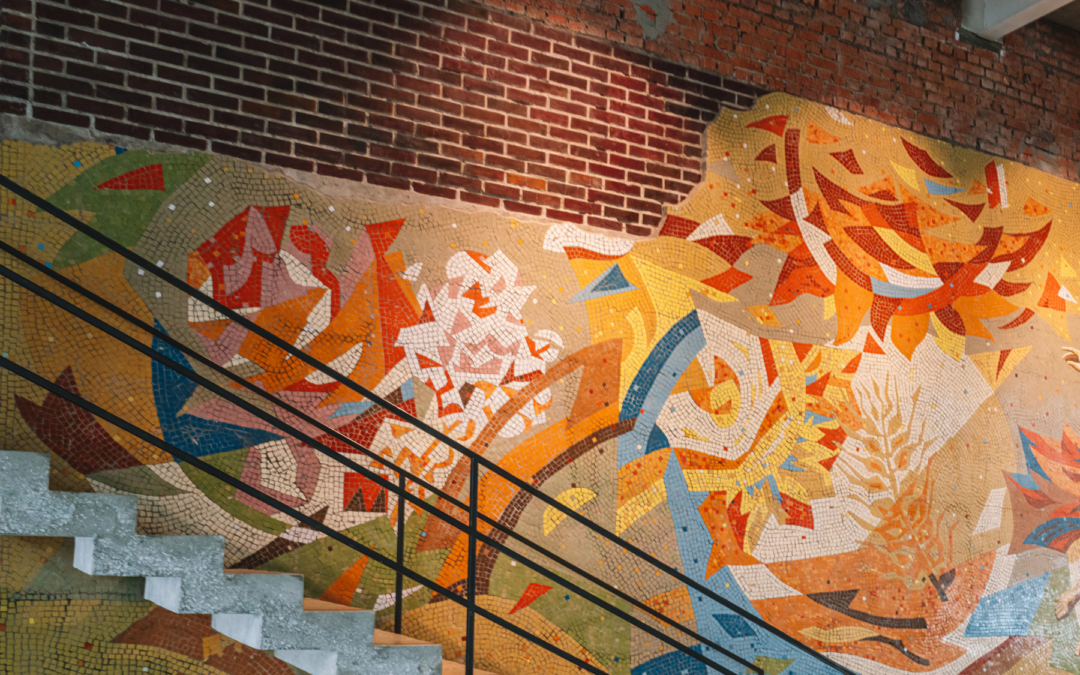
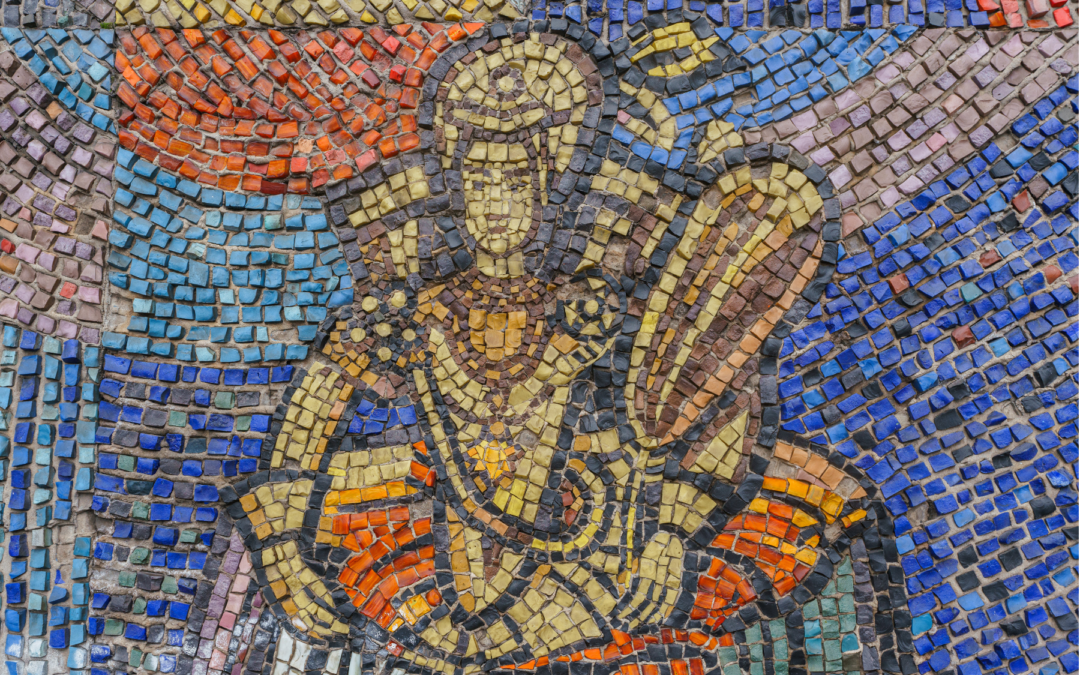
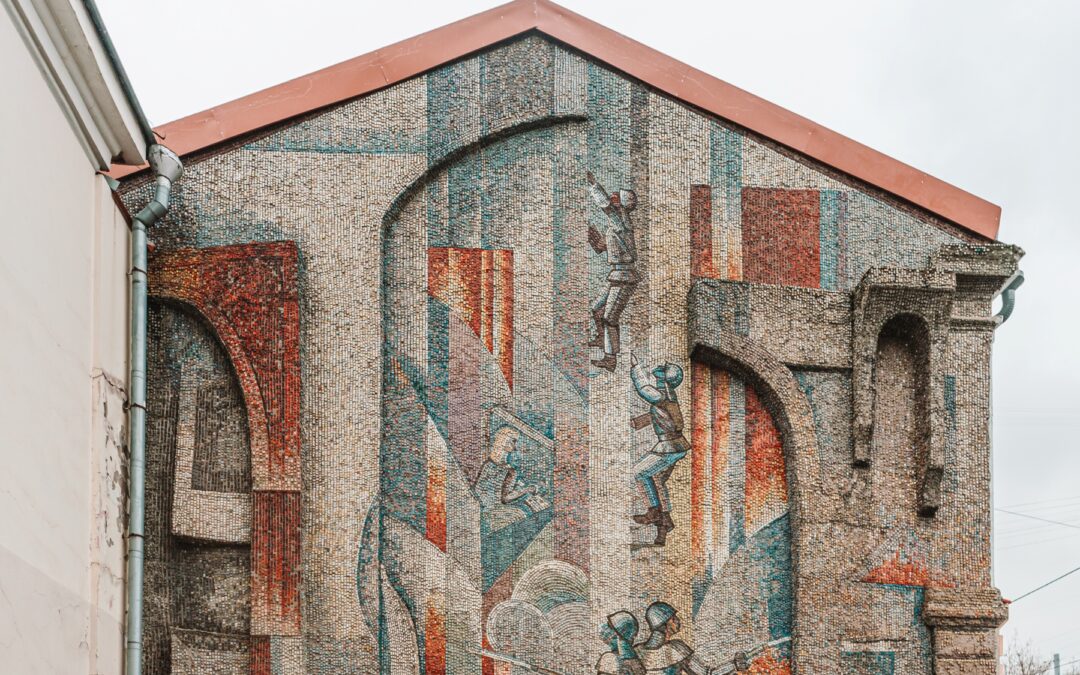
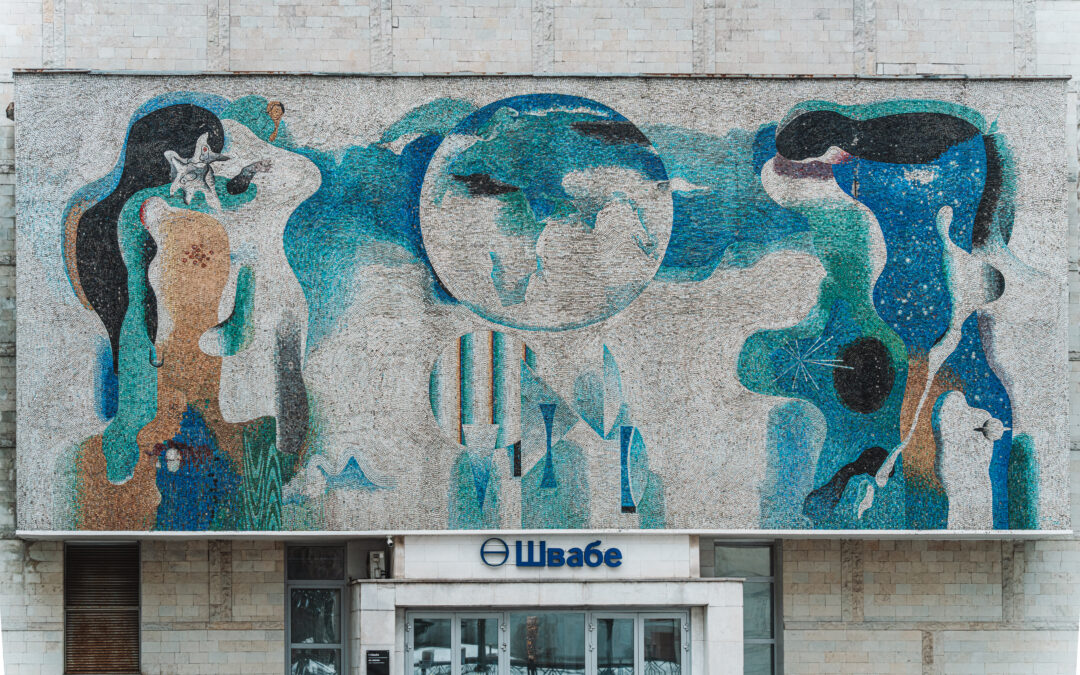
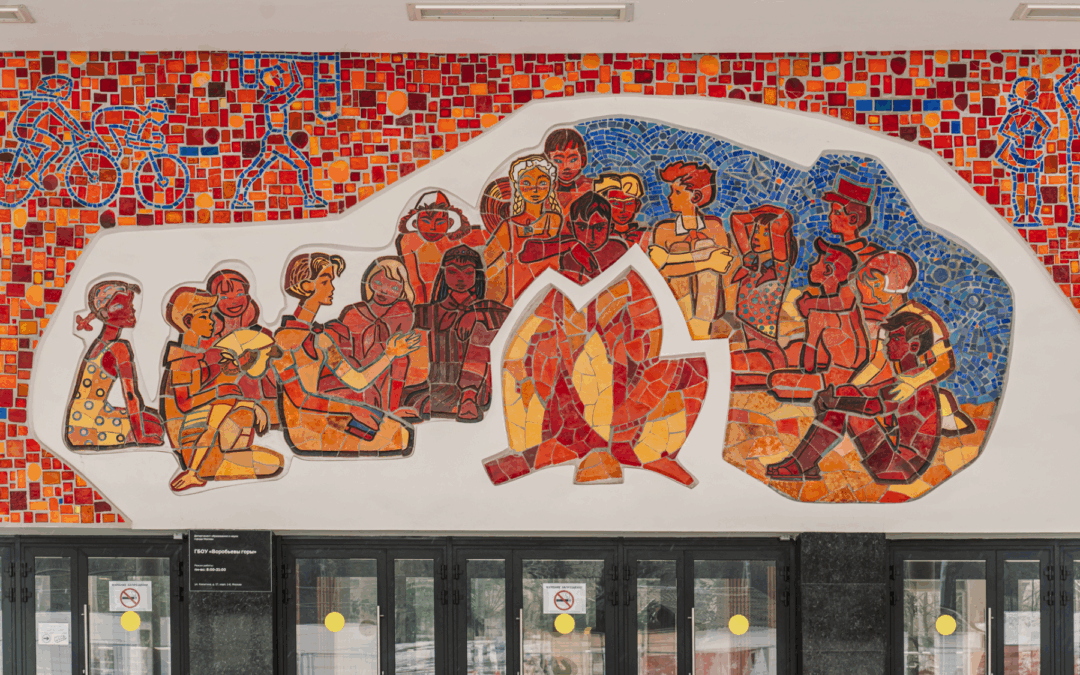
Slavic mosaics are built to last, but they are not immune to time. Weather, renovations, and neglect slowly change public art. One of the most important tools for protecting these works today is photography. Slavic mosaic photography plays a key role in preservation,...
Women have always played an important role in Slavic mosaic art. Yet their contributions are often overlooked or undocumented. Many women mosaic artists worked behind the scenes, inside workshops and collective studios, helping shape public mosaics that still exist...
Mosaic art and architecture are deeply intertwined. Historic Slavic mosaics were rarely standalone works; they were designed in direct conversation with the buildings that housed them. Understanding the architecture around a mosaic enhances appreciation for its...
Community workshops play an essential role in sustaining mosaic traditions. These spaces bring together artists, students, families, and volunteers to engage with materials and techniques that have shaped Slavic art for generations. The workshops don’t simply teach...
Geometry has always shaped the visual language of Slavic art. Whether found in textiles, carved woodwork, or monumental mosaics, geometric structure forms a quiet backbone behind the imagery. When viewers learn to recognize these underlying patterns, historic mosaics...