Essay · November 19, 2026 · 3 min read
How to Write a Mosaic Condition Observation Without Diagnosing the Damage
By Slavic Art Alliance ·
A useful condition observation tells another person what was seen, where it was seen and when it was recorded. It does not need to diagnose the cause or prescribe a repair. For an interested visitor, that boundary makes the contribution more reliable.
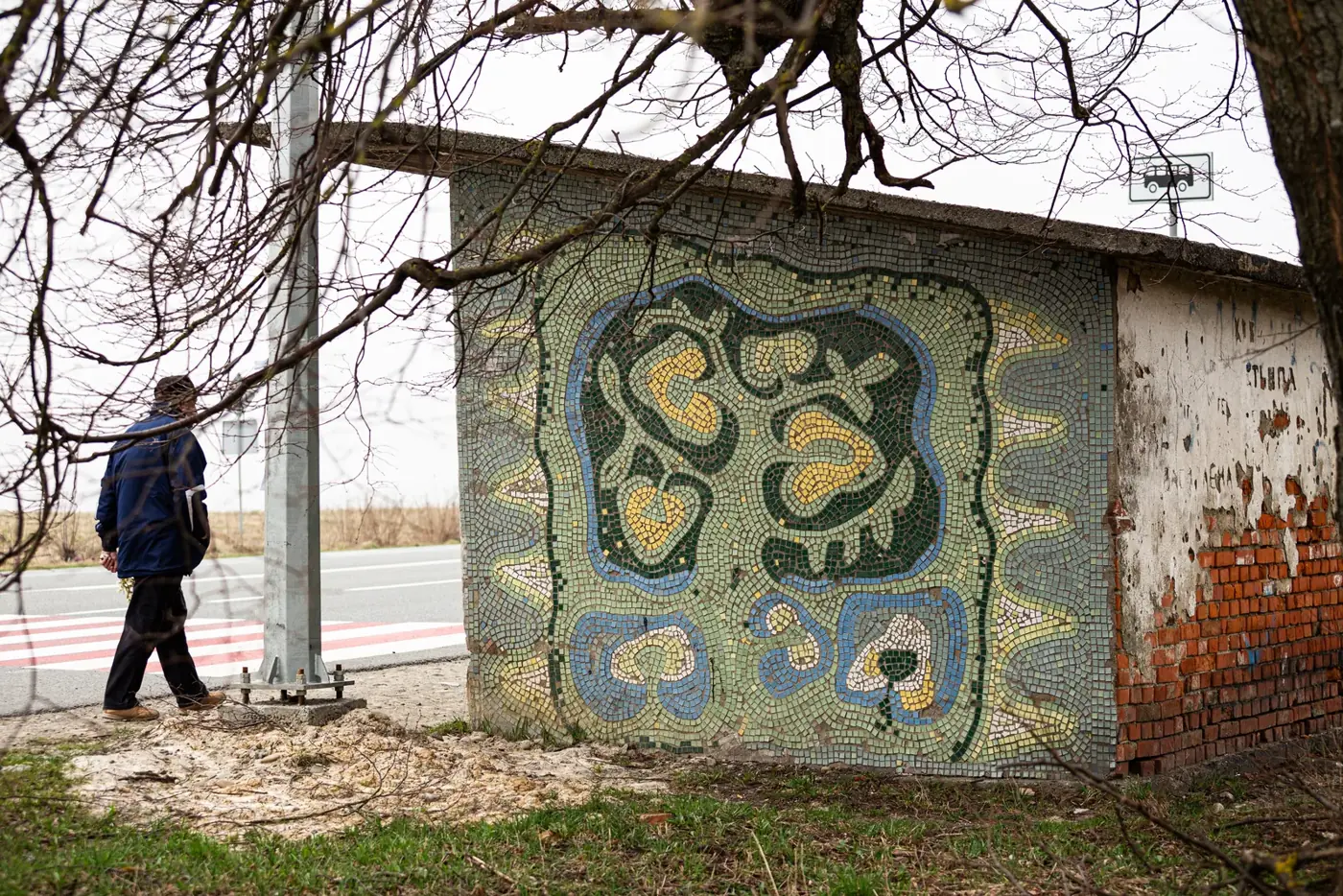
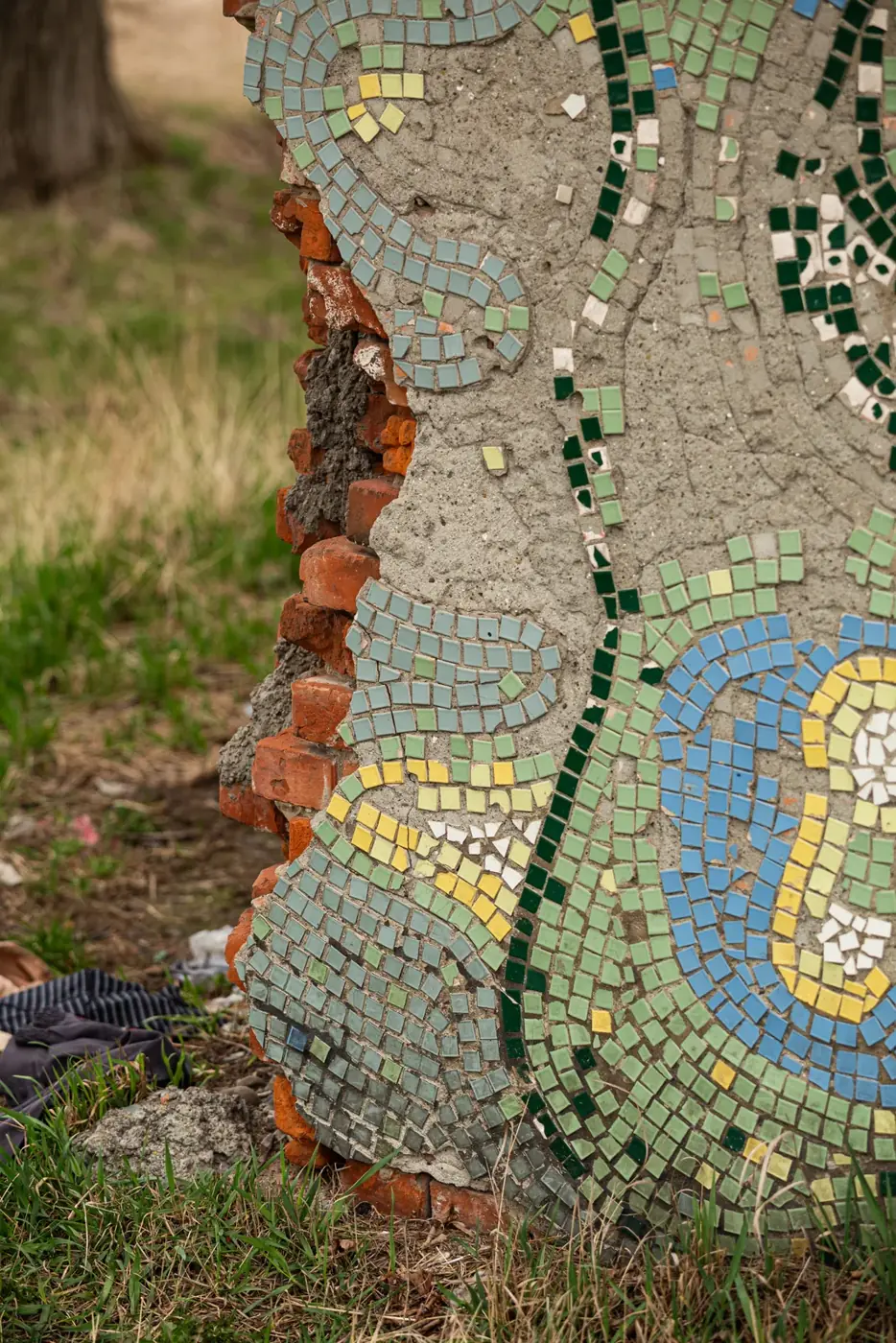
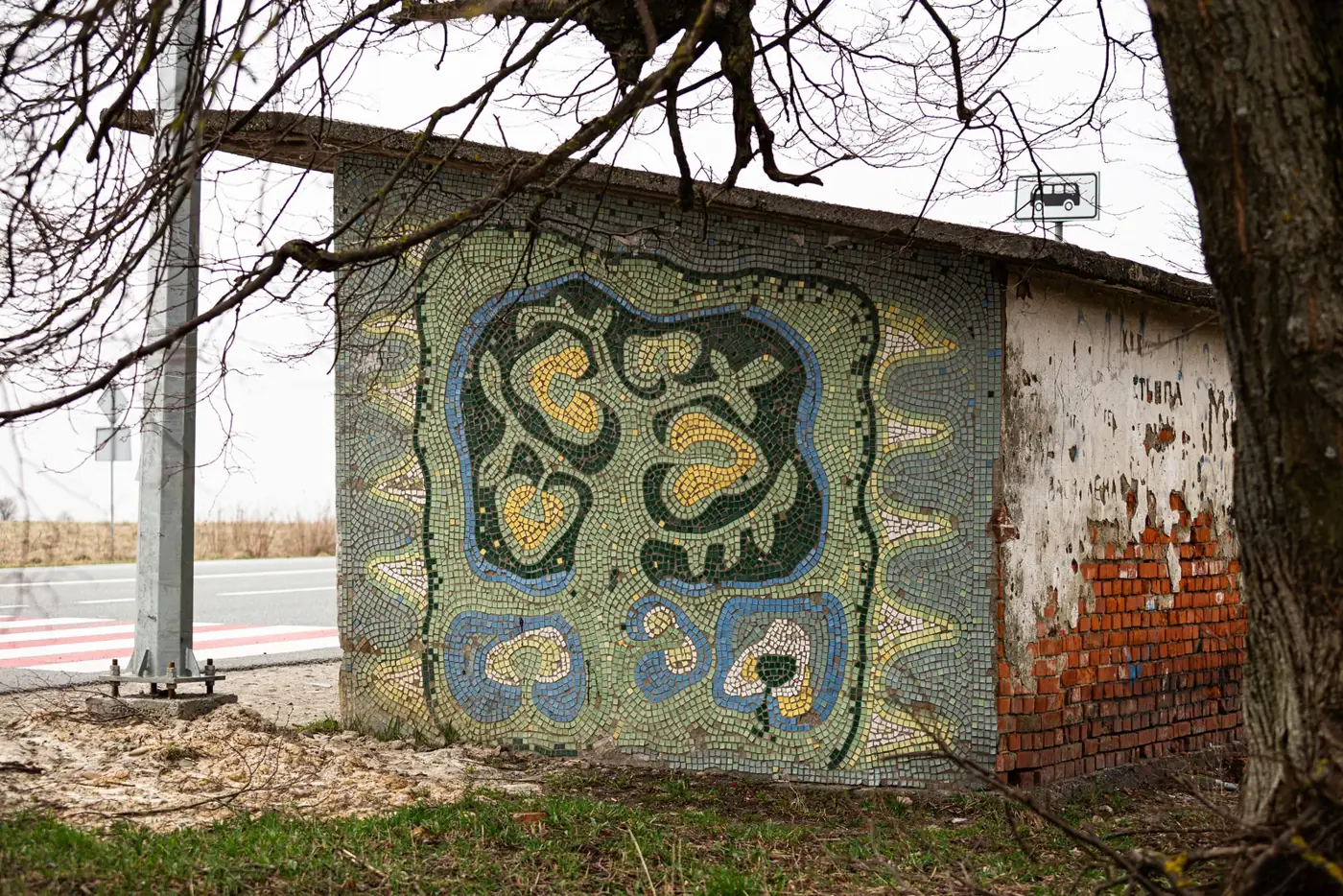
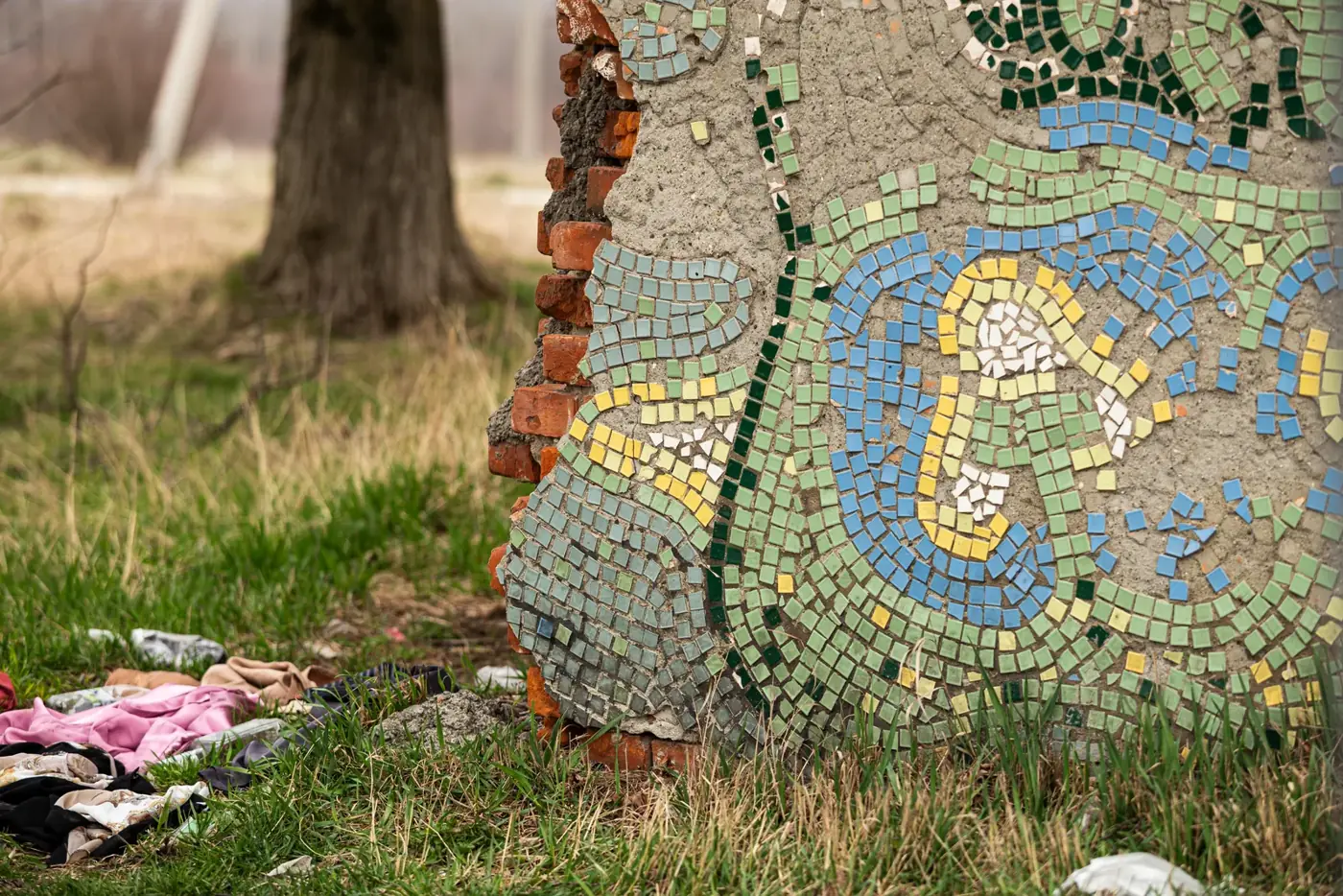
The featured Lisna Slobidka photograph shows a lower edge and an interruption in the decorated surface. It is an archive example, not a current inspection or an assessment of stability.
Begin with identity and location
Name the site and identify the particular wall or panel. Add a wide photograph that makes the location of the detail clear. If several similar surfaces exist, label them consistently in your notes.
Record the capture date and its basis. If you are describing an older image, state that explicitly. Do not attach today’s date to an old condition observation merely because you are writing about it today.
Use neutral, visible descriptions
Prefer “a dark line crosses the pale area” to “the wall is failing.” Prefer “several pieces are absent in the photographed area” to an unsupported explanation of who removed them.
Describe shape, position and extent at the resolution available. If you cannot distinguish a joint from a crack, say so. If part of the surface is obscured, record the obstruction rather than filling in the missing view.
Avoid estimating precise dimensions without a reliable scale. A familiar object in the background is not necessarily in the same plane as the feature you are measuring.
Keep change separate from difference
Two photographs may look different because of lighting, exposure, angle or image processing. Before saying a mosaic has changed, compare matching areas and establish the dates of both images.
A new stain or loss may be a reasonable question for further assessment. It is not automatically evidence of a specific cause. Retain both originals so another person can examine the comparison.
Understand the role of professional assessment
Getty’s Bulla Regia conservation-planning account describes a structured survey considering condition, significance and risk. That professional planning context is broader than a visitor’s photograph.
Your observation can be useful input without pretending to replace that process. Do not probe, clean, detach or test a historic surface to improve your report. If access is unsafe or restricted, stop at the information you can gather safely and lawfully.
A compact note to send
Include the site, image identifiers, observation date, exact visible feature, any comparison source and your contact details if you want a reply. Keep a proposed cause in a separate “question” field, or omit it entirely.
A hypothetical note might say: “On the right edge of panel B, the new photograph shows a pale interruption not clearly visible in the earlier image. Different lighting may affect the comparison.” This demonstrates uncertainty rather than concealing it.
Send relevant documentation through the Alliance’s contact or submission route. Do not assume that sending a photograph guarantees an inspection or conservation response. The contribution’s value lies in a clear, traceable record.
Explore further
Help us document the next mosaic.
Every gift funds photography, research and preservation advocacy.
Donate