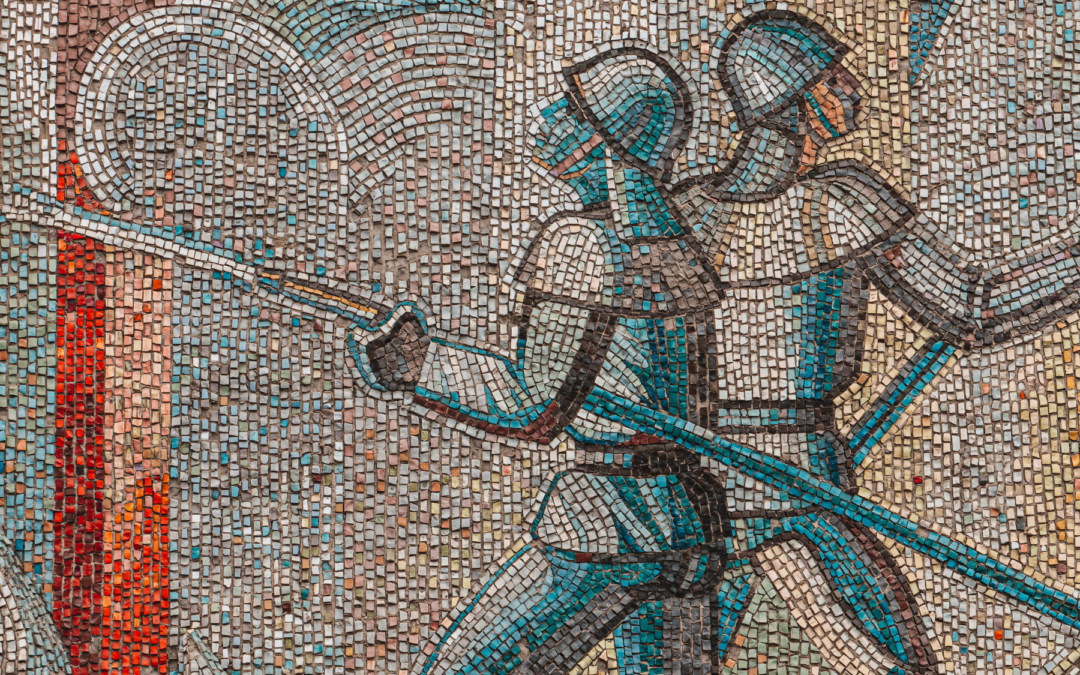
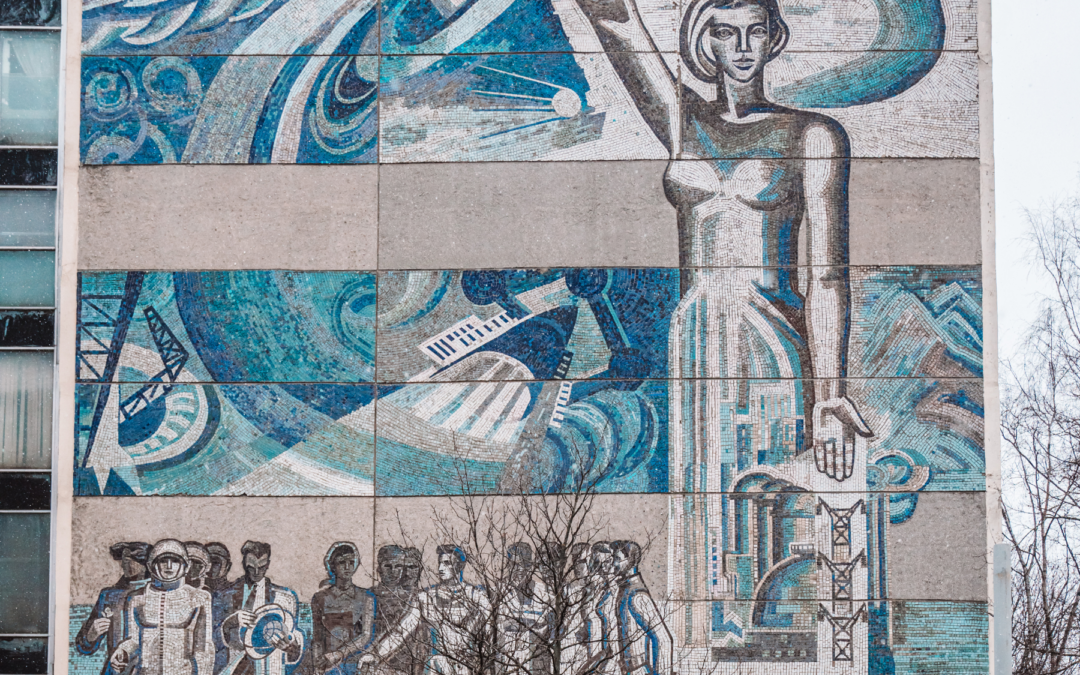
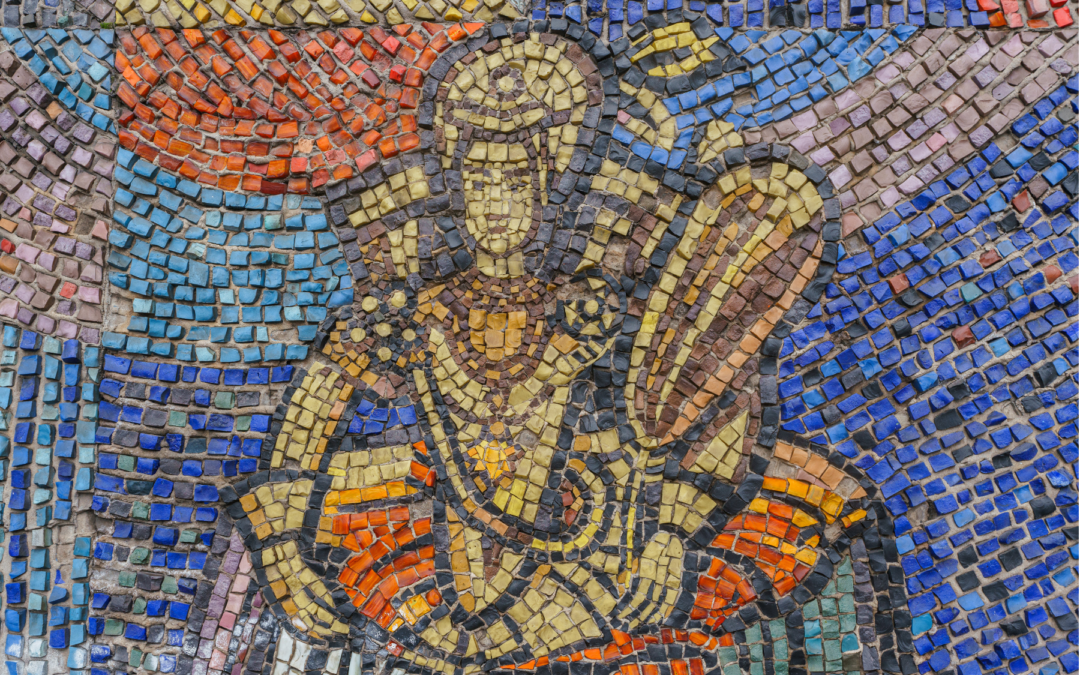
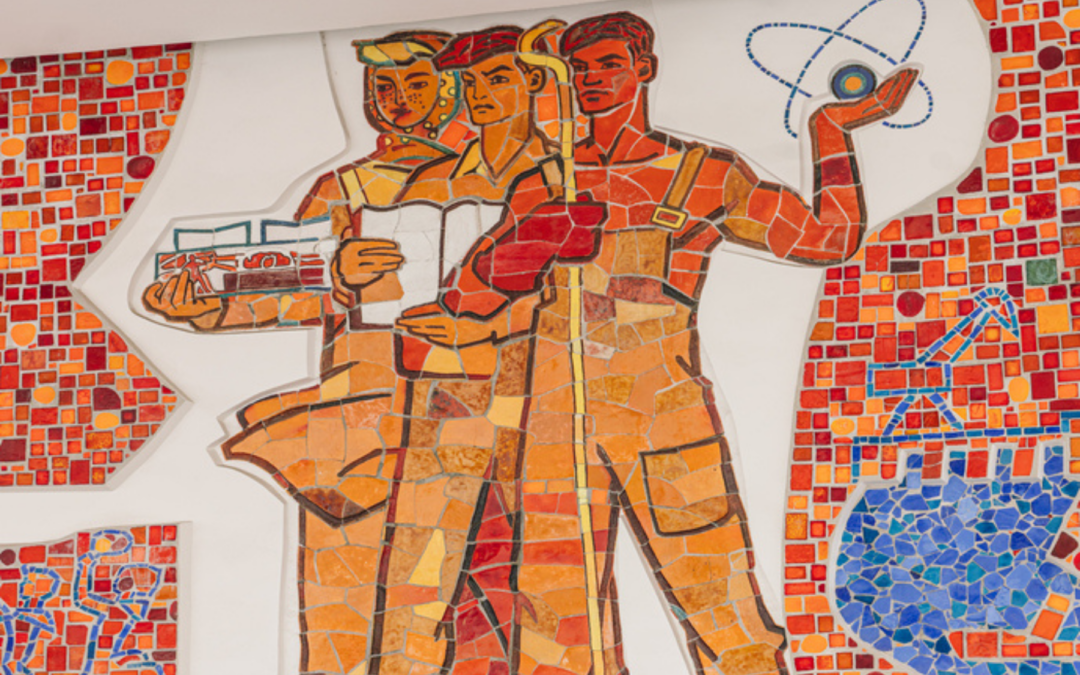
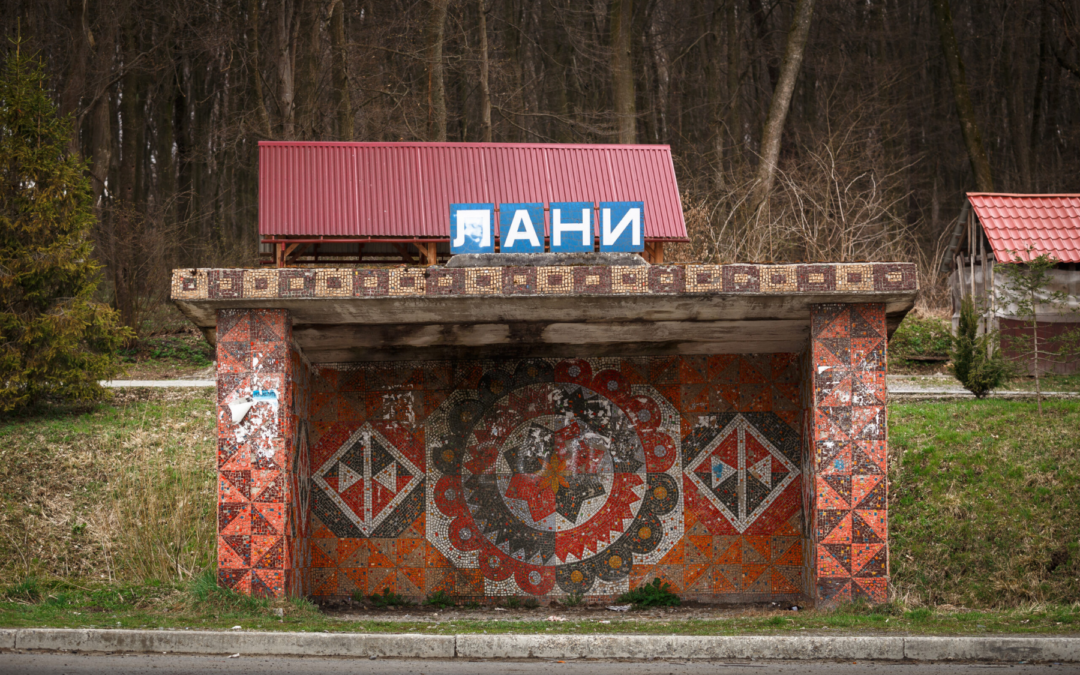
Slavic mosaic art shares common roots, but it is far from uniform. Across different Slavic countries, mosaic styles developed in distinct ways. Local materials, climate, architecture, and artistic traditions all influenced how mosaics looked and functioned in public...
Slavic mosaic art has always belonged to the public. Unlike artworks meant for private interiors, mosaics were created to be seen by many people every day. Their placement in shared locations gave them an important role in public ritual and community life. Public...
Women have always played an important role in Slavic mosaic art. Yet their contributions are often overlooked or undocumented. Many women mosaic artists worked behind the scenes, inside workshops and collective studios, helping shape public mosaics that still exist...
Slavic mosaic art is known for its strength and long life. Behind every finished panel is careful work and a strong connection between artist and material. The Slavic mosaic tools used to create these works shaped how mosaics were built, taught, and preserved across...
Color is one of the first things people notice in mosaic art. In Slavic mosaics, color was never chosen at random. Each shade played a role in shaping mood, meaning, and memory. Long before viewers studied technique or history, they understood mosaics through color....